Traditional Japanese Discipline: The Essence
Japan, where cherry blossoms silently share tales of days gone by. The country effortlessly merges old traditions like tea ceremonies and calligraphy with modern life.Japan seamlessly blends ancient practices with the hustle and bustle of today. Respect, routine, and a deep connection to roots characterize the nation, embodying a laid-back approach to preserving its classic vibe.
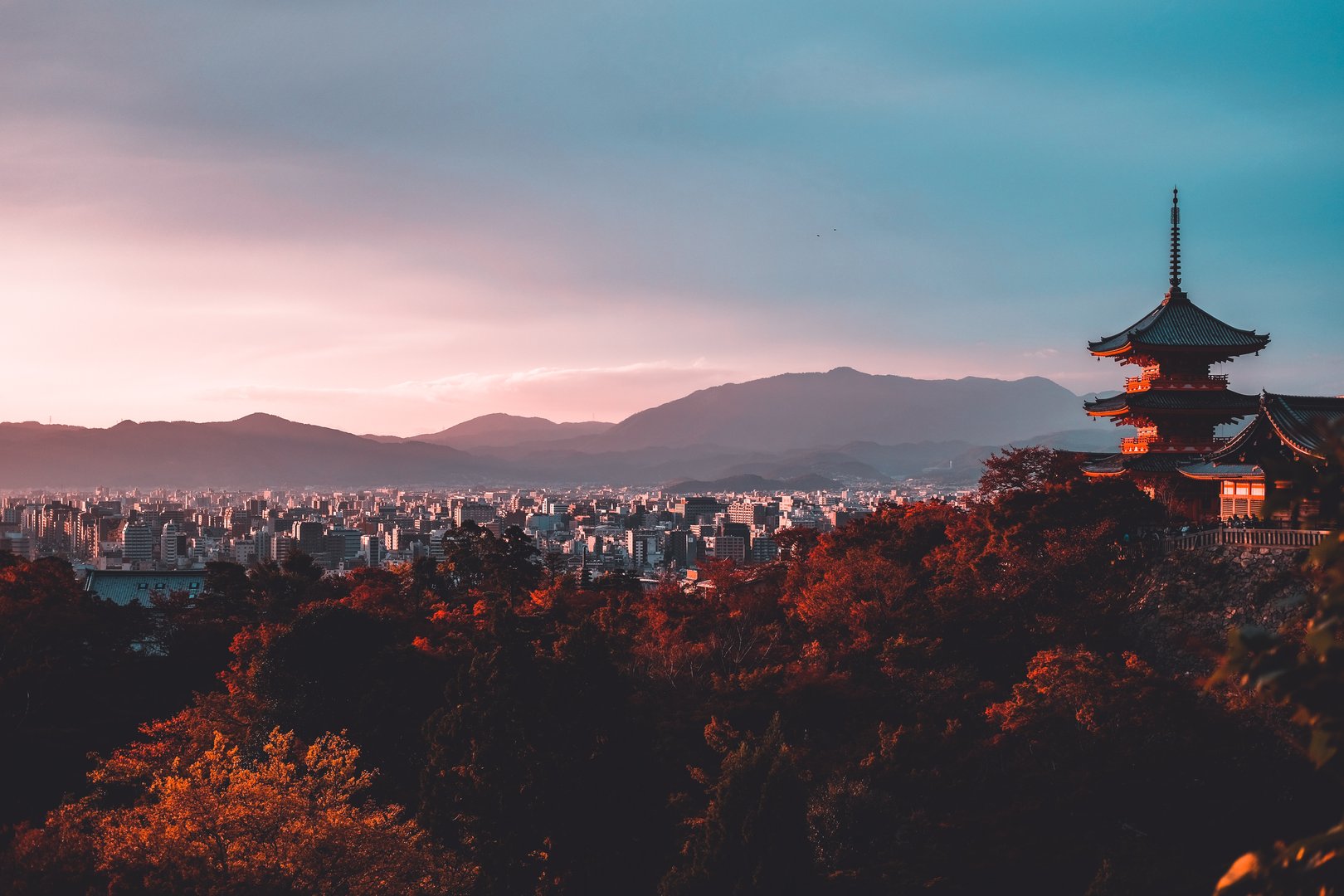
I experienced a similar atmosphere in my homeland, India, where the commitment to heritage and the preservation of traditions are ingrained in people's lives. Even amidst the rapid pace of modernization, both Japan and India share the common thread of cherishing their roots. Japan, in particular, excels in this practice, and upon thorough research, I discovered that tradition acts as a catalyst, motivating people to safeguard their cultural heritage. Discipline emerges as a crucial aspect of this tradition.
My journey with Japan began in the 4th grade when I first encountered "The Karate Kid." Initially perceiving karate as a mere dance or art form, my perspective changed when I enrolled in a karate class. Gradually, I grasped the true essence of karate as a traditional art and discipline, extending beyond self-defense. It became a source of self-discipline, guiding me towards personal growth each day.
Later, I learned that karate originated in Japan, adding an intriguing layer to my perception of the country. Despite my initial belief that a nation couldn't simultaneously embody advancement and tradition, Japan, with its unique blend, became a love at first sight.
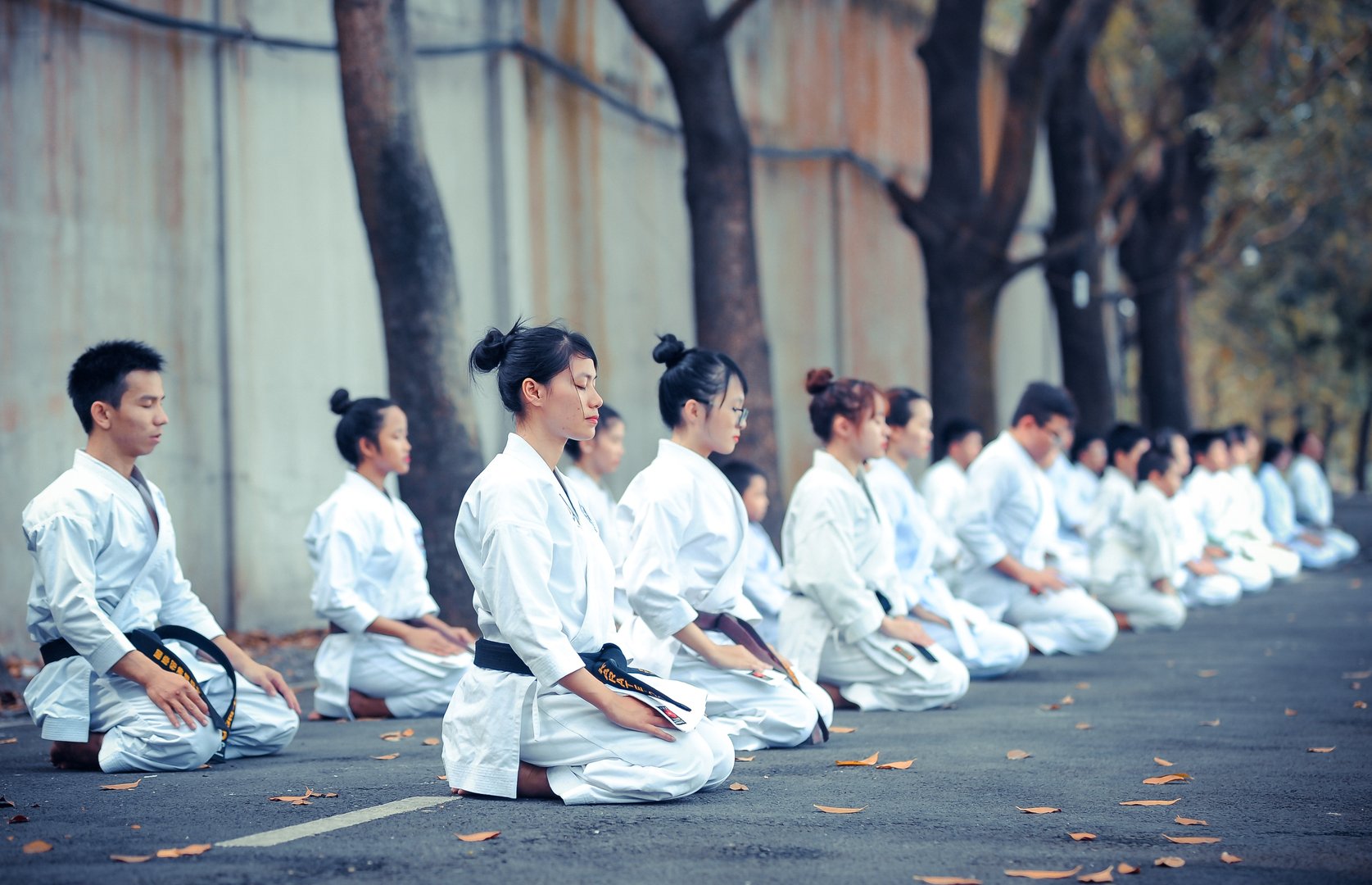
Even today, working as intern at AKIYA2.0, I delve into research about traditional places in local Japanese towns like Suzu, Noto, and Anamizu. While they may boast distinct festivities, they all share a common traditional thread—Discipline. This highlights that the amalgamation of these localities and expansive cities is what makes Japan a haven of both advancement and tradition.