Why are there so many Akiya, the abandoned dream properties of Japan?
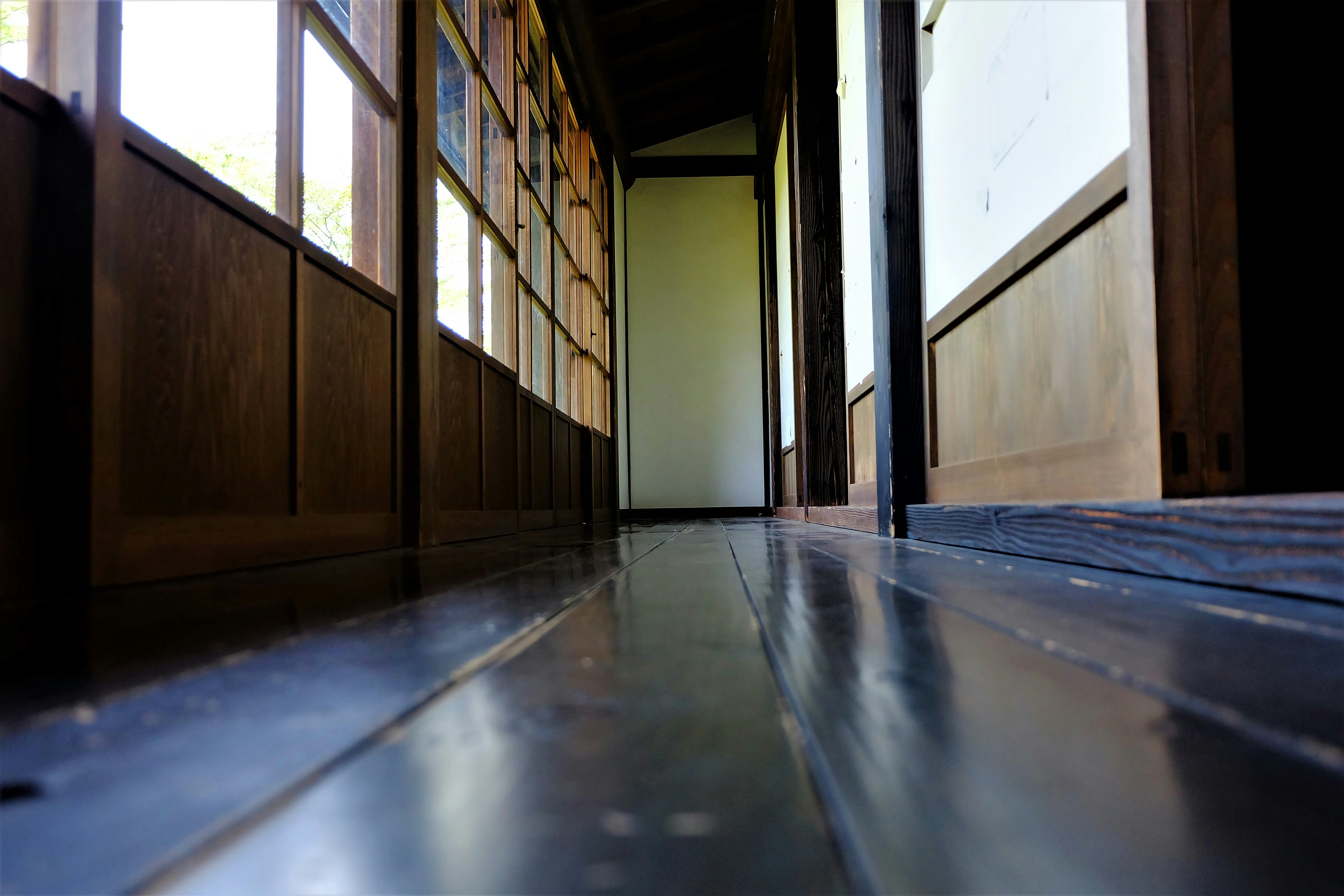
In the rapidly aging society of Japan, there are more and more abandoned and vacant houses known as akiya emerging around the country. Akiya2.0 is a project that aims to keep the rich experience of the kominka style of living in the countryside surrounded by beautiful scenery by respecting the integrity of antique Japanese architecture but giving them another life in the form of tourist accommodations. Filling these neglected residential buildings allows us to keep the art of traditional housing alive.
Japan’s rapid urbanization during the bubble era left less than 10 percent of the island nation’s population staying in the countryside. It is estimated that more than a staggering eighty percent of the country is covered in forest or agriculture, leaving much of it unpopulated. In the small towns outside the cities, the elderly struggle to maintain their village, as more houses become abandoned in favor of the bustling cities. However, Akiya2.0 bridges the rural quiet with a unique travel experience in the picturesque countryside along with an opportunity to invest in this exciting venture.
Akiya2.0’s Consulting Service
Akiya2.0 enables the entire process of purchasing and renovating an akiya through our excellent consulting service, allowing anyone to seamlessly access the Japanese residential market, as well as the renovation and management processes for creating a livable kominka for tourists. We do all the work of house hunting and paperwork paired with consultations for finishing and supplying hospitality services in reviving beautiful estates.
Akiya2.0’s Travel Club
Alternatively, Akiya2.0 also offers an equity investment for akiya clusters that we have developed, surrounded by an exciting cultural landscape such as popular cycling routes, thriving communities, and one-of-a-kind cultural experiences. The clusters help create a community and allow tourists to immerse themselves in a unique travel experience. Akiya2.0 is currently working on the Shimanami Kaido region, which is known for its scenic cycling courses, as well as the Noto peninsula, which is famous for the view of the ocean and coastal fishing towns.