Earthquake Resistance of Japanese Traditional Home Design
The earthquake that struck Noto, Ishikawa Prefecture, January 2025 also hit close to home for us here at AKIYA2.0. With two properties already secured and one on the way, we felt significant concern when we heard that the earthquake was a 7.6 magnitude temblor at a depth of just 15km, causing a shaking force at ground level that is unprecedented in Japan's modern history - Shindo 7+.
The home that is still under negotiation is located in Kawaura, just 3 kilometers north of the epicenter, on a very picturesque bay, and the village it is part of was isolated from the rest of Japan for nearly a month. No food, no water, no help. Of course, being based in Tokyo, there wasn't much we could do except monitor the situation remotely through satellite data, and make assumptions that our investments and new neighbors were probably all OK. Indeed that was the case.
The Japanese government's public disaster satellite images are quite good and give a reasonable feel for how badly an area is affected. Nonetheless, we were shocked as the news came out that the land on the western side of the peninsular had risen by almost 3 meters. Now there are new beaches where there were none, and fishing ports that are now too shallow to host the trawlers they were built for.
In April and then again in June, the roads had been cleared/repaired sufficiently that we could finally visit the properties. We took special care to stay out of the way of emergency operations and to find accommodation outside the area. To our relief and surprise, we found that all the homes we purchased were still standing largely unharmed. Of course dishes and broken internal plaster were strewn everywhere, but all three homes, which are all 80 to 100 years old, seem to have been built in locations and in such a manner that they were able to resist the worst earthquake the region has suffered in the last 3,000 years.
Unfortunately, for most of the inhabitants in the peninsula, the outcome was much worse, and in one small city more than 70% of the homes have been damaged or destroyed. Hundreds of people were killed by collapsed buildings.
The resilience of our homes, which we deliberately bought for their traditional post-and-beam style construction and other techniques, highlights the strength of traditional Japanese architecture which builders have refined over centuries to withstand earthquakes.
At a technical level, many of these traditional wooden buildings feature a highly-regular (think square, cube) spatial orientation to ensure strength in a uniform building unit, and then as a unit it has a central shinbashira pillar, allowing the buildings to flex with the earth rather than resist it. This time-tested technique has protected structures for over a thousand years, preventing collapse by absorbing seismic shock instead of opposing it.
Interlocking joints, wide eaves, and lightweight wooden materials further enhance earthquake resistance. These design elements allow the structures to sway with tremors, preventing the rigid failures that often affect heavier, modern buildings. This combination of flexibility and lightness proves crucial to the remarkable durability of traditional homes, even during high-magnitude quakes .
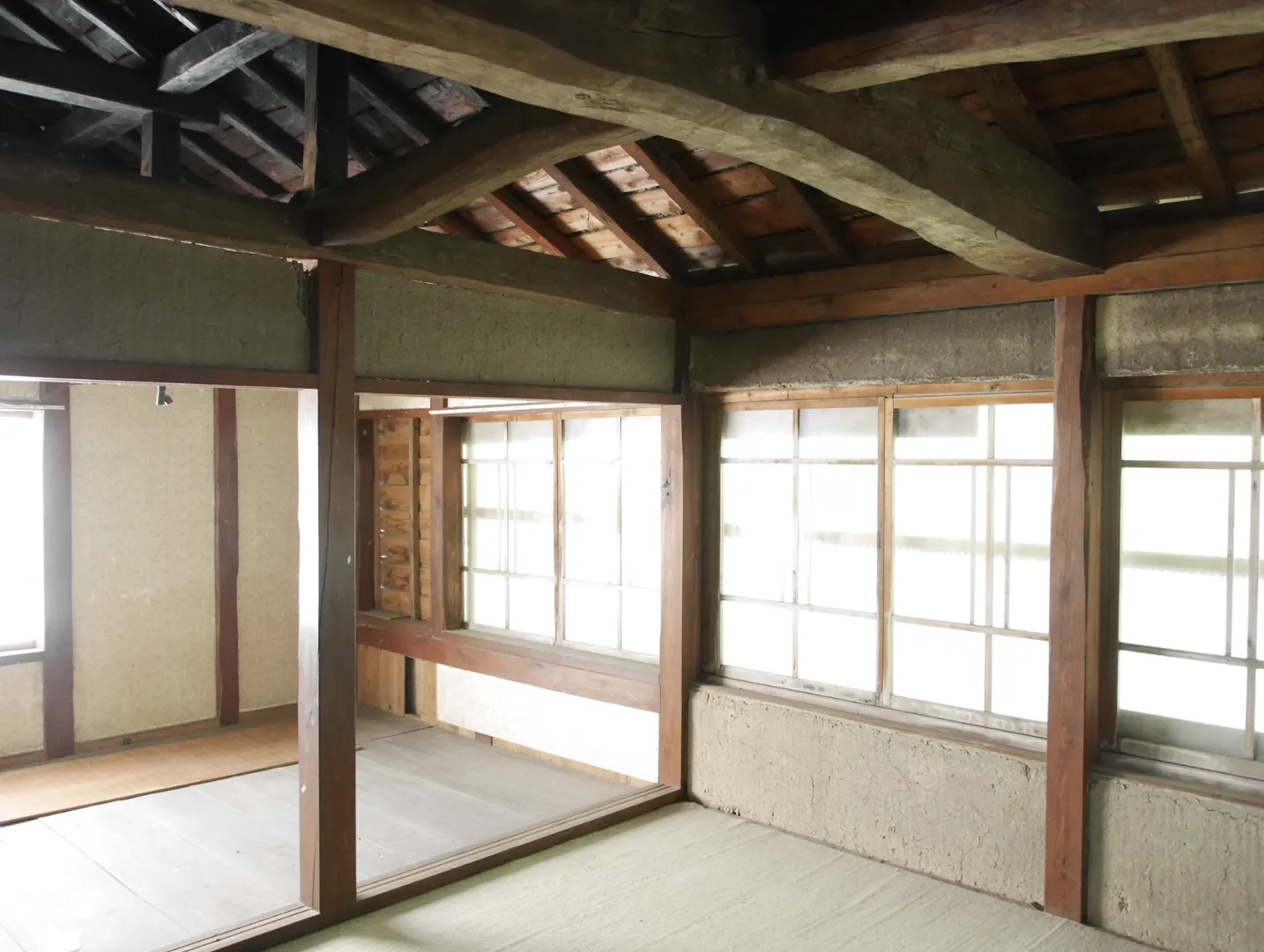
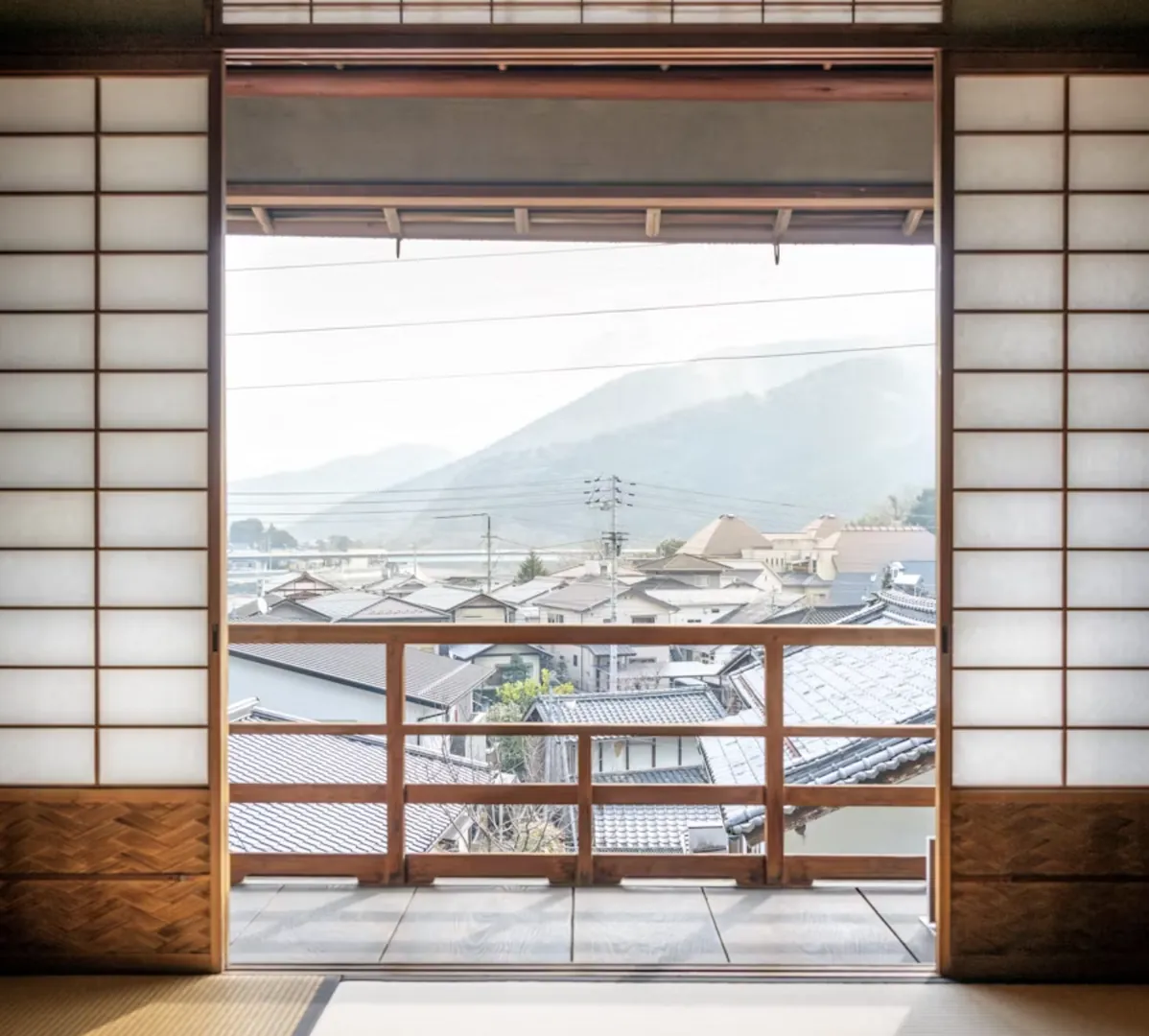
What's notable about Japan is that while contemporary architecture ranks among the safest in the world, traditional architecture stands equally effective - providing high quality materials and craftsmen were used. Most people starting to look into Japanese architecture and property ask us about the Shin Taishin building code in 1981. It is true that the code that marked a significant shift toward enhancing earthquake resilience in modern architecture and is a good "guarantee" of safety as any, but the spirit (and science) of safety and earthquake resistance in Japan finds its roots in centuries-old methods that continue to be proven today. Our evidence in stating this is that look at all the houses still standing after the earthquake, what is one common denominator? Most of them were built 80 or more years ago and were constructed to a high level of care and quality. So long as those structures received regular maintenance, we can see for ourselves that the methods and designs work.
Japanese traditional architecture continues to impress. As AKIYA2.0 delves deeper into these historic structures in various regions (Noto, Shimanami Kaido or others), we remain committed to studying and learning from them. There is still much to explore regarding their potential applications in contemporary design. In the meantime, our policy of only acquiring traditional homes for renovation has strengthened and will be a key criteria for future purchases.