The Smart Design Behind Kominkas: Beating Japan’s Heat Without AC
If you’ve ever spent a summer in Japan, you know what I mean when I say it’s not the heat that gets you, it's the humidity. For those who haven’t experienced it, imagine stepping into a sauna, that heavy, cloying type of heat that gets you sweating instantly and leaves your shirt clinging to your back. That kind of weather makes air conditioning a must for us here in our Tokyo office. But long before AC existed, traditional Japanese houses — Kominka — which we define as houses built in the last 100 years, had a few clever architectural design features to help people survive those sticky, humid summers.
One of the clever things you’ll often find in a Kominka is the raised floor and the high ceilings. The raised floor allows for cool air to flow underneath the house, kind of like natural under-floor ventilation. Even on really hot days, when it feels like the ground outside is radiating heat, that pocket of air underneath the house stays relatively cool. The breeze that moves through there helps cool down the floors, and by extension, the whole house. At the same time, the high ceilings let hot air rise, keeping the space you’re actually living in cooler and more comfortable.
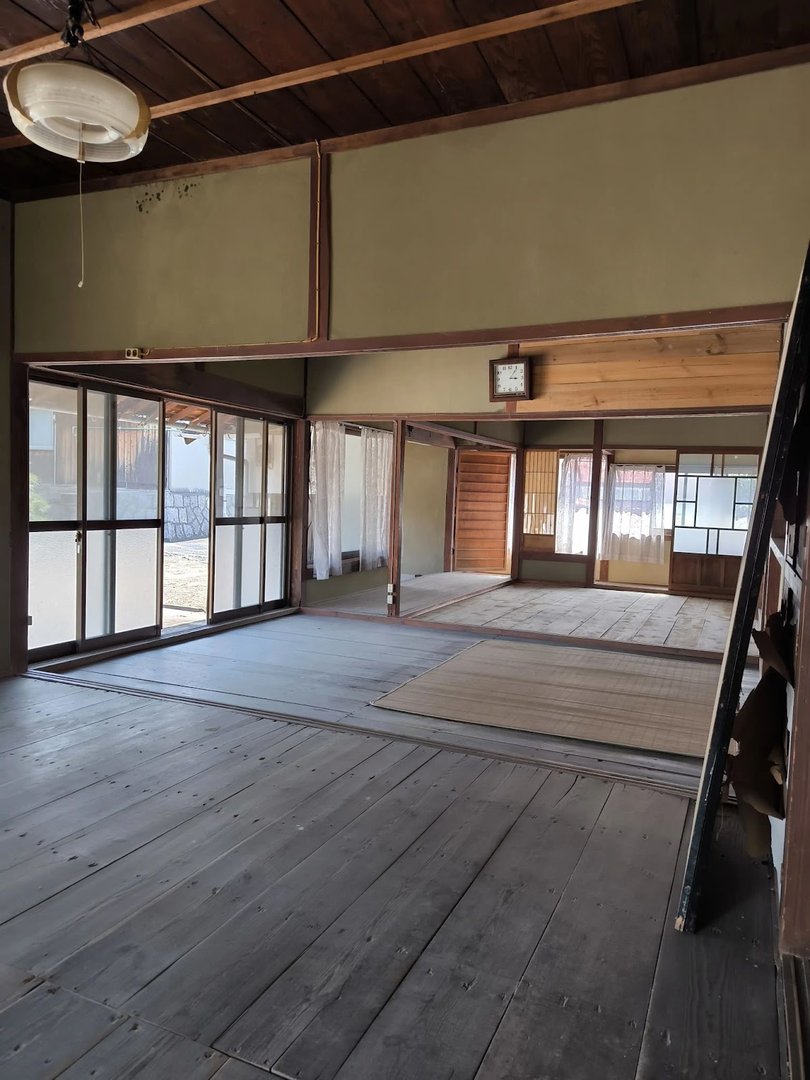
Kominka also tend to have pretty open floor plans, so air can move freely from room to room without much getting in its way. The layout encourages air to flow throughout the house instead of getting trapped in one corner. That might not seem like much, but together with those sliding doors you often see, it plays a huge role in keeping the home comfortable.
On hot days, you can slide those doors open to connect multiple rooms or even open the house up to the outdoors. It’s almost like flipping a switch on the AC, but instead of artificial air, you invite the outside breeze to flow straight through your living space. And when the weather turns, be it a sudden downpour or a surprisingly cool evening, you simply slide the doors closed again. It’s easy and surprisingly effective, even by today’s standards.
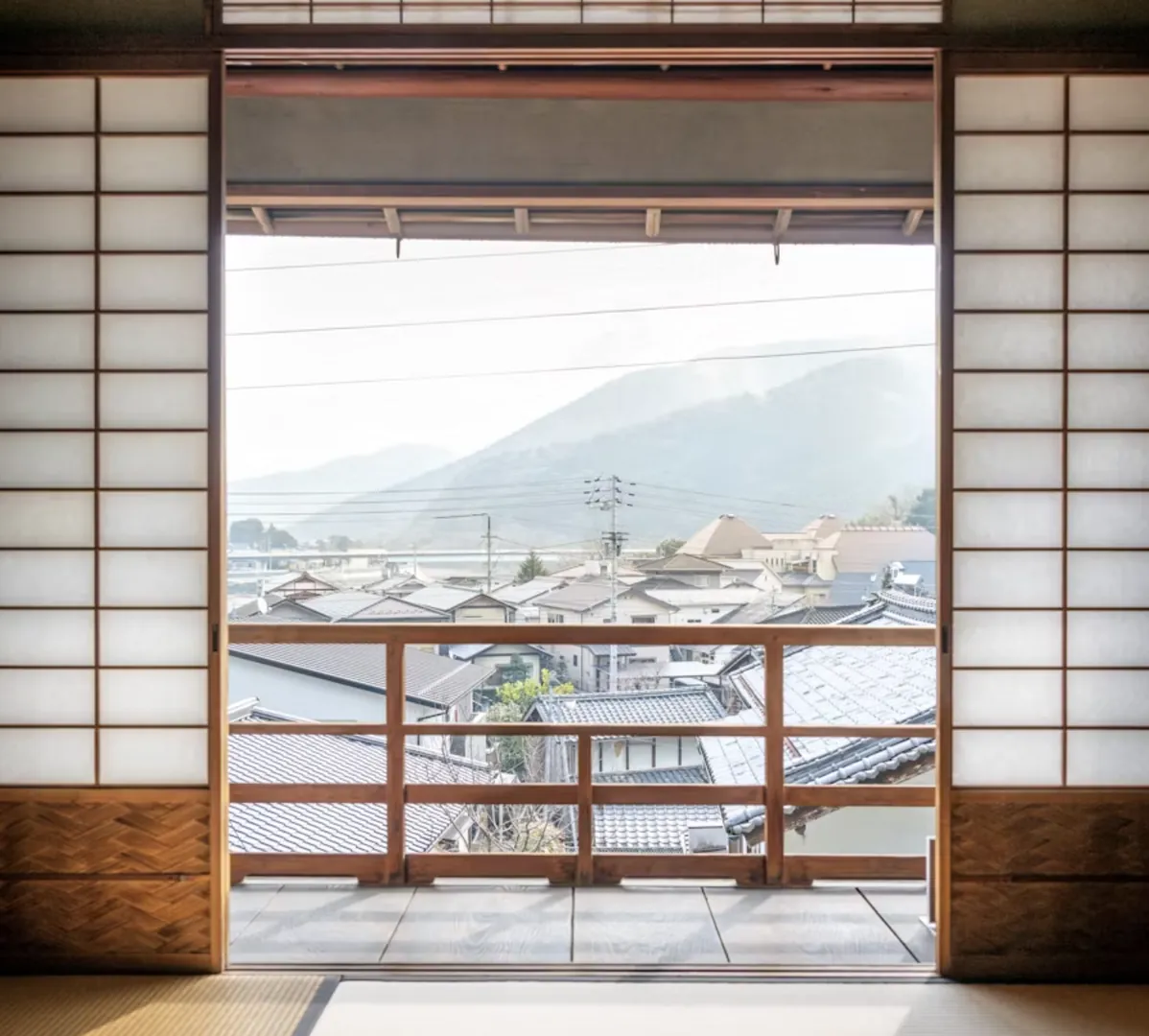
This can also be seen at our new Akiya 2.0 staff house in Shin-Onomichi. Sliding doors can be seen throughout the property, allowing the coastal sea breeze to cool the inside, while the high ceilings give hot air a place to go. Our renovation of this building included strengthening the floor so that it would support the heavy accoutrements of modern living (king sized beds, western style sofas…) while keeping the traditional exterior. This involved the construction of extra underlying beams, secondary beams, concrete blocks, and metal expandable foundation racks. Through this, we are trying to honour the rich and functional tradition embedded in this home while giving it a new lease of life.
Kominka may seem old, or perhaps antiquated, but the wisdom behind all these design choices, built upon generations of experience and tradition have left these beautiful houses standing strong even today. That’s why we think it’s a horrible waste to tear down these not just beautiful, but functional houses, just to replace them with a, to put it nicely, “dull and uninspired” box of a prefabricated house. As far as it is possible, Akiya 2.0 wants to prioritize sustainable renovation and conservation over a current tendency to purchase property, tear it down and build anew.