In the Heart of a Japanese Summer : living the akiya experience
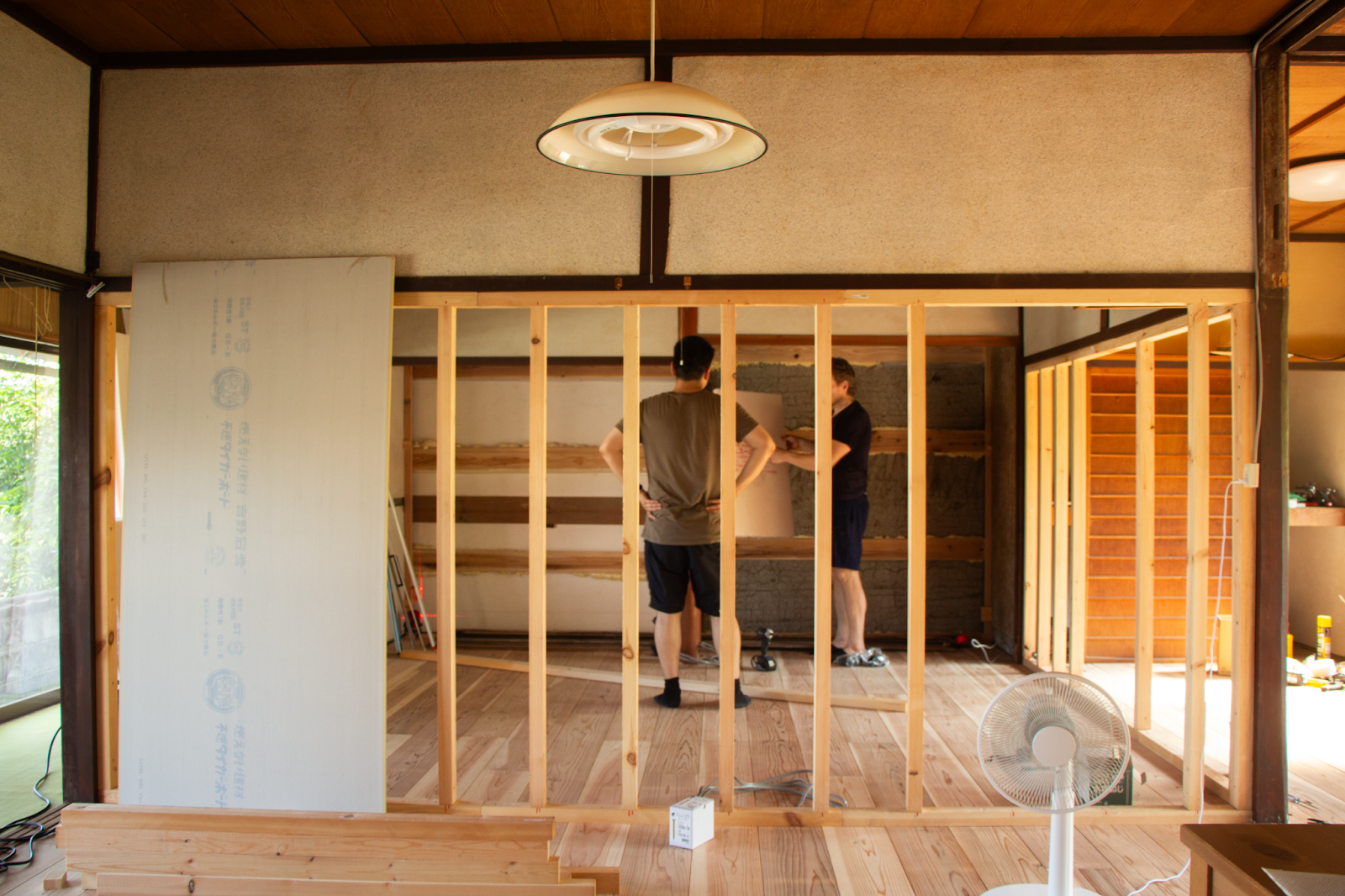
Two months have quietly slipped by since I arrived in Japan. Two months since I set down my bags on the unfinished floor of the living room and unfolded my futon on the tatami mats upstairs. Two months since I made this akiya in southern Hiroshima my home. The place is worn down, furniture scarce, and still very much a work in progress. Yet, this bare house holds the unique charm of old buildings, those that have witnessed another time, another life and another family. A family of five to be exact, with three sons, as I heard from a neighbour. The thought that two generations before me lived within these weathered walls gives it an undeniable depth and authenticity. Now standing as the third generation, I find that while traditional houses in Japan are often torn down and rebuilt by the grandchildren, Akiya 2.0 chooses instead to revive the existing structure.
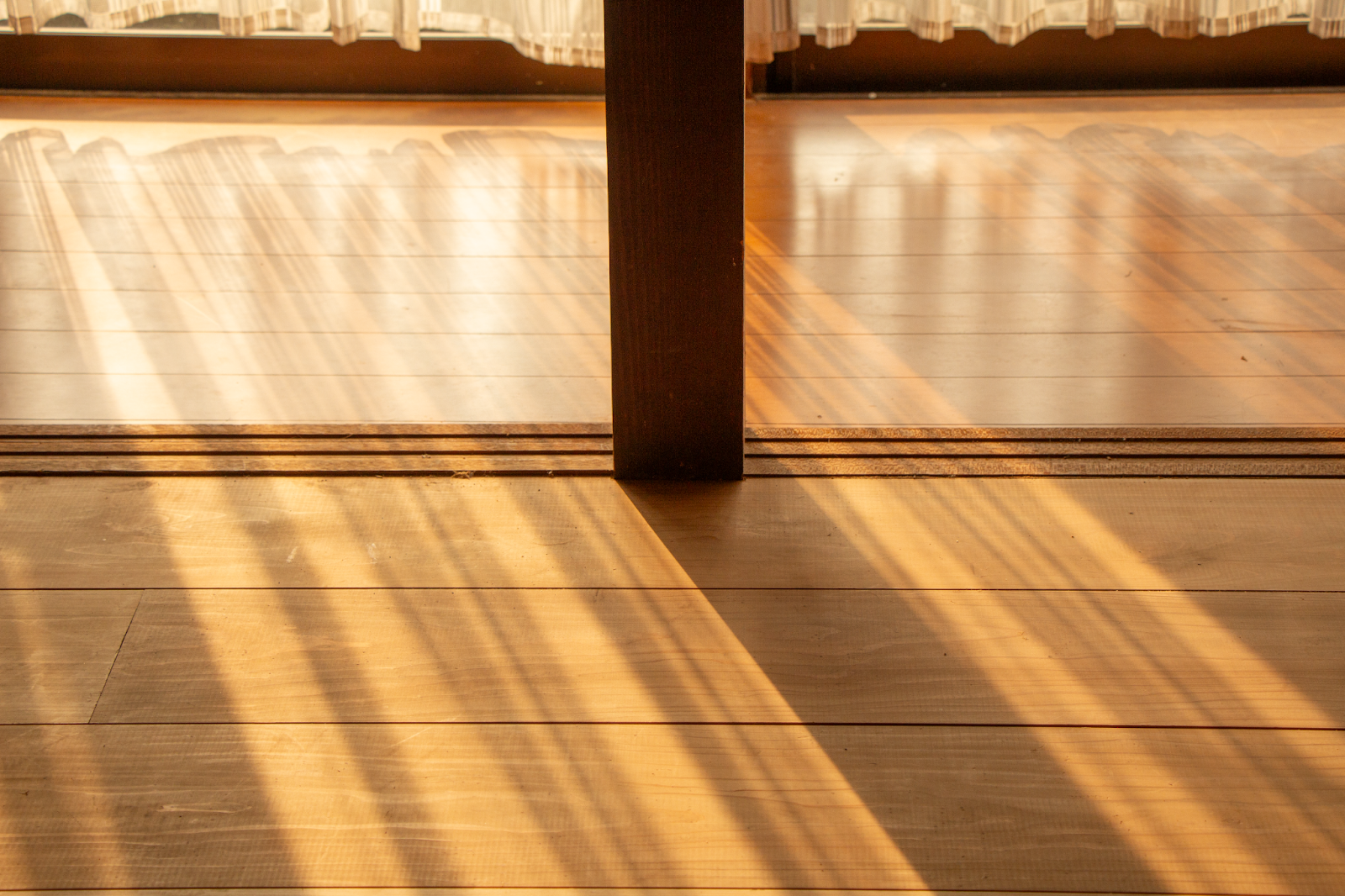
Yet, inhabiting an akiya extends past the simple act of honouring its past or preserving its physical envelope. As July deepens and I endure the scorching breath of summer, I have come to my first realisation: living in this house has meant moving in tune with the seasons. Here, mornings begin with the cicadas’ song, even through closed windows. The afternoon sunlight casts the outlines of the openings onto the floor. Evening brings a cool breeze slipping through gaps in the roof and at nightfall, the endless dance of insects on the glass, drawn by the flickering neon lights. At last, sleep comes with the whisper of the stream flowing beside the house. In my brief experience here, it has dawned on me that choosing to embrace the “akiya way” has been about preferring a porous home, one that lets nature seep into every corner of daily life, rather than the sealed comfort of modern houses.
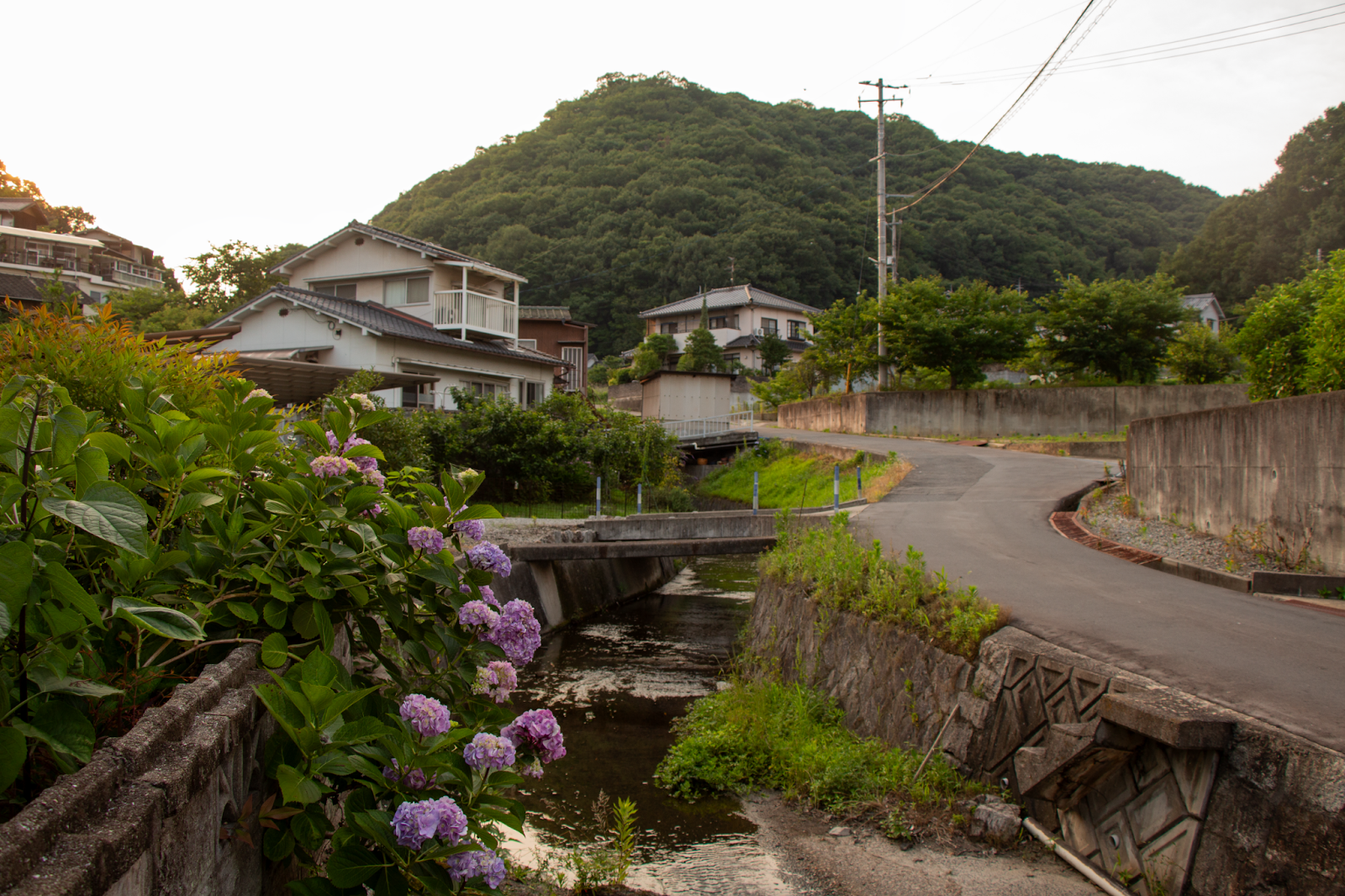
Beyond nature’s presence, my second realization about my akiya lifestyle came just days after my arrival, in the form of my two neighbours from across the street. With a gentle sumimasen to announce themselves, they would spontaneously show up at my door carrying homemade food or vegetables freshly picked from their gardens. Slowly, I began to understand that inhabiting this house has meant my becoming part of a close-knit community. Though never far from the main road, life here feels more like that of a small, tucked-away village in the countryside. Neighbours walk their dogs together, stop to chat in the narrow street where only one car can pass at a time, and greet each other over their fences with a polite konnichiwa. In this everyday ritual, I have discovered a sense of belonging I never expected when I first set down my bags. And as the months have passed and my neighbours’ visits have turned into a daily routine, this feeling has only deepened. Despite the languages we do not share, I was shown that kindness speaks its own tongue, one of thoughtful gestures and warm smiles. More than neighbours, I believe I may have found friends here, in the heart and heat of a Japanese summer.