Renovation: the Spirit of Mottainai
Due to the Japanese cultural value of mottainai which roughly translates to shamefully wasteful, people try to use everything up to the final stage of it being useful, whether that be using cooked bones to make broth, using the same leather bookbag for all of elementary school, and offering refill bags for cleaning products to reuse the original bottle. There's even a popular children's song called Nai Nai Mottainai that laments the childish overuse of toilet paper and keeping the water running. Renovations also come from this way of thinking, as old kominka houses have been remodeled into shared office spaces, cafes, and new residential areas in recent efforts to revitalize old residential areas. In the popular TV show that aired from 2002 to 2016, Daikaizou! (Renovation) Before and After, master architects visited dilapidated houses to create a more comfortable living situation for the families, using traditional building methods but with updated interiors. This used to be one of my favorite shows as a child, and I especially liked how many of them tried to preserve elements of the original house, such as the roofing tiles and century-old wooden beams that can no longer be sourced. They use techniques such as precise wood cutting that support the foundation of the house without nails or screws, and reusing the old roof thatching as insulation for the walls.
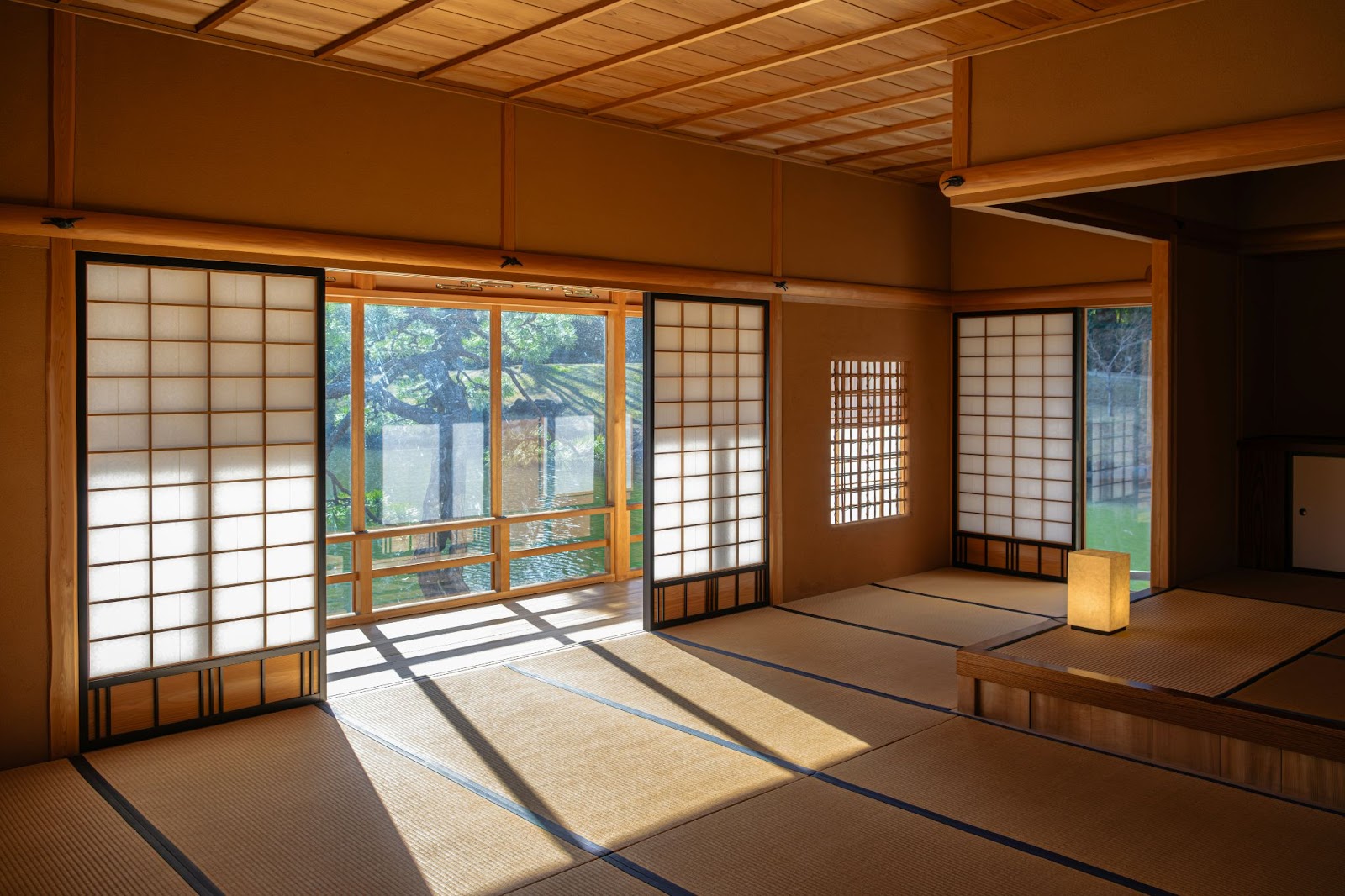
My family even directed a parody of the show using its iconic theme song when we remodeled our backyard. Japan prides itself in having houses and businesses that have outlived countries, despite the humidity and natural disaster-prone landscape, as repairs and renovations have kept these structures alive. Renovation is also more cost-efficient than building a completely new residence, as these older houses already have a good base foundation. Kominkas are often built with the local climate in mind, as they show the heritage of the region. Keeping things like tatami mat floors gives the space a cozy smell that can't be mimicked by a new build and decreases cooling costs in the summer, as they remain cool to the touch and a great place for napping.
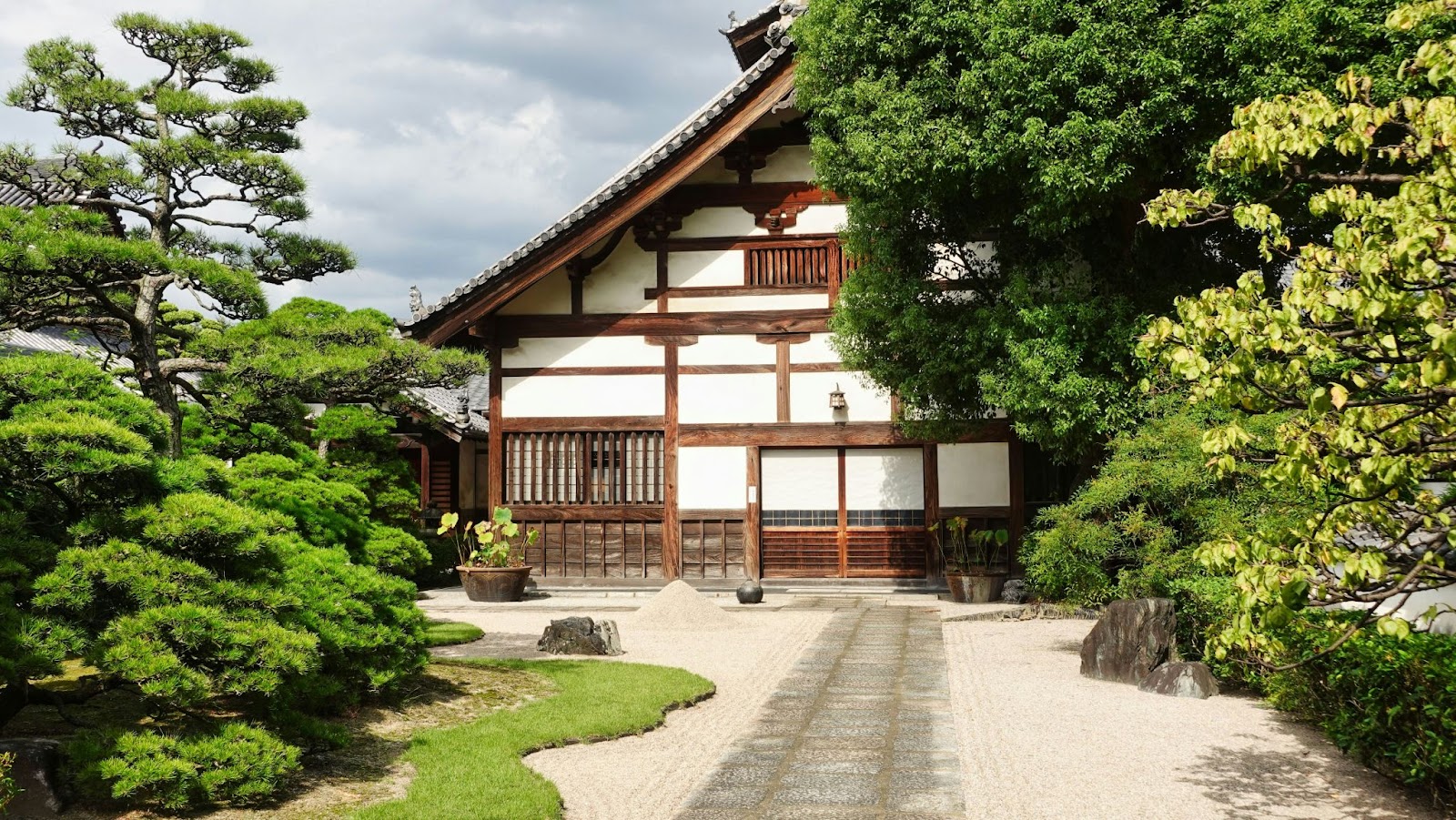
Despite Japan's popular image of rapid development and technology, I think the beauty of this country lies in the fact that you can truly see how innovative they were even in the past. Maintaining this sustainable ideology, utilizing the benefits and unique quirks of kominka and Japanese residential architecture is very valuable in preserving the calm and historic beauty.