What is an Akiya? A Complete Beginner's Guide
Whether you’ve scrolled through videos about supposedly free countryside houses in Japan, or have spent time researching property, you’ve most likely come across the word “akiya”. These properties have gained internet stardom over the past few years, with foreigners impulsively buying dirt-cheap Japanese homes and, for some, turning them into the place of their dreams.
But before you scour the internet for listings, it helps to understand exactly what an akiya is, why Japan has so many of them, and what that actually means for you as a buyer.
What is an “Akiya”(アキヤ)?
Akiya (空き家) is a Japanese word made up of two characters: 空き (aki), meaning "empty" or "vacant," and 家 (ya), meaning "house." Put together, it simply means "empty house" or "vacant house."
In everyday use, the term can be applied to a wide range of properties. An akiya could be:
A well-kept suburban home whose owner moved away for work and no longer needs it
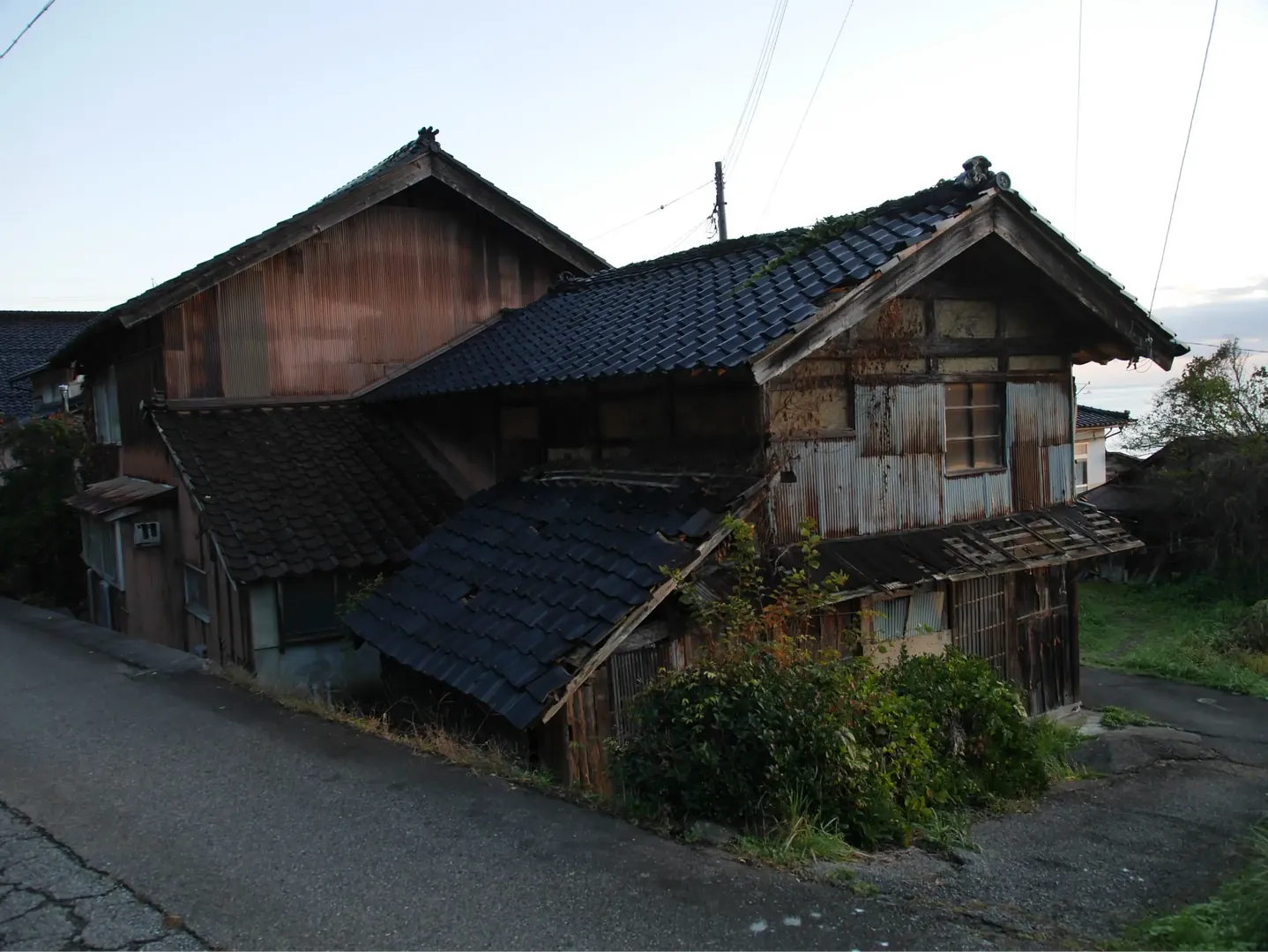
An abandoned traditional wooden farmhouse (kominka) deep in the mountains that is slowly being reclaimed by nature
A modest city apartment or townhouse sitting empty because an elderly family member died and no one in the family wants to deal with the inheritance tax consequences
A crumbling, structurally unsound multi-story concrete building built in the 1970s before Japan’s modernization of building/earthquake standards, that's still standing but is barely livable and dangerous in an earthquake
And many other use cases that we, at AKIYA2.0, see every day
The Japanese government officially defines an akiya as a vacant house that has gone unoccupied, with no electricity, gas, or water use, for at least a year. However, the condition, location, and price of these akiya can vary significantly, from free “giveaway” properties to homes still worth tens of millions of yen.
How Many Akiya Are There in Japan?
According to Japan's Ministry of Internal Affairs and Communications' 2023 Housing and Land Survey, there are roughly 9 million vacant homes across the country, making up around 13.8% of all housing stock. This record high means that roughly 1 in every 7 homes in Japan is an akiya.
The number of akiya has doubled since 1993, when it stood at around 4.5 million. Nomura Research Institute projects that if nothing changes, close to 1 in 3 homes in Japan could become akiya by the mid 2030s.
Although this is the official number, the number of properties actually for sale is, in fact, closer to a third of that — around 3 million homes. The rest are either being held by the families, don’t have any traceable owners so they are in limbo, are only available “off-market” where the sellers for whatever reason don’t want their neighbors to know they want to dispose of it, OR held back for a myriad of other very human reasons.
Why Do So Many Akiya Exist?
There is no single reason why Japan has so many akiya and why that number continues to increase. Japan’s akiya boom is the result of several demographic, cultural, legal, and economic forces all affecting the country at once.
A Shrinking, Aging Population
Japan's population peaked in 2008 and has been declining ever since, leaving the country with one of the oldest populations in the world. This trend shows no sign of reversing: according to Japan's Ministry of Health, Labour and Welfare, the country recorded just 671,236 births in 2025 — the lowest figure since comparable records began in 1899, and according to Nippon.com, the fertility rate in Japan is only 1.14 children per woman. As this aging generation of homeowners passes away or moves into care facilities, their houses are increasingly orphaned, with no one left to occupy them.
Inheritance Without Interest
Rather than homes being bought and sold on the open market the way they typically are in the West, most homes in Japan are inherited. When a house is passed down, it’s often split among several siblings or relatives. Meanwhile, many of these relatives have already built lives elsewhere, whether that be somewhere in Japan or even overseas. Inheritance isn’t free, either: Japan’s inheritance tax is progressive and can reach as high as 55%, and for heirs who accept the property, it’s due within ten months of the person’s death. Since nobody wants to move back into a rural family home or deal with the hassle of maintaining it, it is simply left empty and unclaimed.
Rural Depopulation and Urban Migration
For decades, younger generations have left small towns and villages for jobs in major cities. According to Hiroshima University’s research summary in 2024, only 8% of Japan’s population now lives in rural areas. As young people leave, the residents that remain in the rural areas are the elderly, and the houses people leave behind when they move will sit with no local buyers to take them over. Japan's own Ministry of Land, Infrastructure, Transport and Tourism projects that 60% of currently inhabited areas nationwide will lose at least half their population by 2050, meaning the current number of akiya in Japan is only going to increase.
A Weak Secondhand Housing Market
Unlike many western countries, Japan doesn’t have a strong culture of buying and renovating older homes, especially in low-demand rural areas — which is most of Japan. Newly built properties are generally seen as more desirable, and older wooden houses are often assumed to lose all their value within roughly 20–30 years, leaving only the land itself worth anything, regardless of how solid they are. This cultural preference for newer homes tends to leave many structurally sound akiya overlooked, despite their immense potential.
Tax Rules That (Until Recently) Rewarded Leaving Houses Standing
Japan’s property tax system has historically treated vacant land with a building on it far more favorably than bare land. A residential lot with a house is able to qualify for up to an 83% property tax reduction compared to empty land. Since demolition of an old, unusable house could cause the tax bill to increase sharply, many owners chose to leave abandoned buildings standing rather than tearing them down, even if the houses are no longer safe to live in. However, this system is finally starting to change: since a 2023 amendment, municipalities can now take away this tax break from houses that are visibly neglected, removing the incentive to simply let a house rot rather than demolishing it.
Why Is This Suddenly a Big Deal?
Akiya are more than just an obscure real estate trend; they have become a growing concern for Japan. Abandoned buildings can easily become safety hazards, especially during earthquakes and typhoons, when deteriorating structures can collapse or block evacuation routes. Not only that, akiya can also diminish the character of otherwise well-maintained neighborhoods and lower surrounding property values.
At the same time, local governments grappling with shrinking populations have been attempting to get these homes back into use. Many municipalities run “akiya banks” — public listings of vacant homes, often offered at low prices or even for free, sometimes paired with renovation subsidies to attract new residents. However, the awareness of these akiya banks within the Japanese public is still relatively low, which is another reason as to why so many akiya remain unsold and unknown.
And yet, given how well-defined this demographic problem is, the response so far has been more targeted than sweeping, such as making the prices of akiya cheaper rather than actively stepping in to reclaim and recycle these properties at scale. It seems like a perfect time for the government to start playing an active role, but they are reluctant partly because the government prefers to let the markets do their job, and partly because the rights of individual property ownership and inheritance are deeply embedded in Japanese culture.
Can Foreigners Buy Akiya?
Japan is one of the few Asian countries that allows non-resident land ownership. There are emerging regulations about natural resources, large estates, and sensitive locations (near army bases for example), but otherwise, it is open slather. And as of writing in August 2026, with such a cheap yen, for overseas buyers akiyas represent something genuinely rare: a chance to own property in Japan for a fraction of what similar real estate would cost at home. Coupled with Japan's enduring cultural appeal and reputation for safety, it's easy to see why akiyas have become an international fascination, particularly in the era of remote work and digital nomadism.
That said, buying an akiya isn’t the same as buying a move-in-ready home. Many will require significant renovation, come with legal or inheritance complications, or sit in areas with limited infrastructure and services. Understanding of the factors behind Japan’s akiya boom is simply the first step towards realistically approaching these properties. We will cover what to expect when buying, in a subsequent article.
Buying is More Than Money
Since social demographics are fueling the availability of akiyas, it stands to reason that social ties also define a non-financial consideration when buying a place as well. Most akiya bargains are in smaller cities and towns in rural Japan. In other countries you may be buying a holiday home where it’s understood that so long as you keep your property maintained, how you use it is up to you. However, most akiya in Japan come with neighbors and communities, and buying into that community means entering a kind of social contract where you are agreeing to contribute in some meaningful way. Generally this would mean moving to Japan, learning Japanese, and helping out with community initiatives. If you fall into this category, then great. But most people simply want to be at their holiday home a few weeks a year and to have someone look after upkeep to preserve the property’s value. If you are one of these people, it’s best that you either buy in a major city where you can live anonymously, or in a dedicated holiday villa area in Japan (there are quite a few within 2-3 hours drive of Tokyo, Osaka, and other major cities).
And What About the Money?
Many people have the idea that they can renovate, use the house personally, then rent out on Airbnb to pay the rates and make a little extra money. And in fact, in some locations this is indeed possible with the prime candidates being snow country, beaches, and outskirts of major cities with international airports. But for 95% of the houses on the market, and certainly those at the cheaper end of the spectrum, you may find that the numbers don't add up or that travellers just aren't interested in your destination. Therefore, before impulsively pulling the trigger online, we recommend that you do your homework and consider that sometimes a larger investment in a better property or even in a group of houses may be the only way you are going to make real estate work for you in Japan.
On the costs side of the ledger, you will have the initial renovation cost then the taxes and upkeep. Generally speaking, any property older than 30 years is going to need substantial renovation — possibly with new floors, roofs, cladding, insulation, etc. So shoot for nearly new, unless your heart is set on a romantic old-time home. Either way, until home builds were updated in the early 2000s, the average Japanese house has been very cold in the winter and baking hot in the summer, being built for a harder generation than today. So if you want to create a “nest” you will need to consider a general strip-down, insulation, and rebuild. A rough guide for a full renovation is around JPY100,000-JPY200,000 per square meter, meaning that a 120 square meter single story 80-year old bungalow will set you back JPY12-24 million depending on the quality of the materials and build. Yes, that is a lot more than those ads you see on the internet. But it’s a reality of needing to be protected from the elements and local “wildlife.”
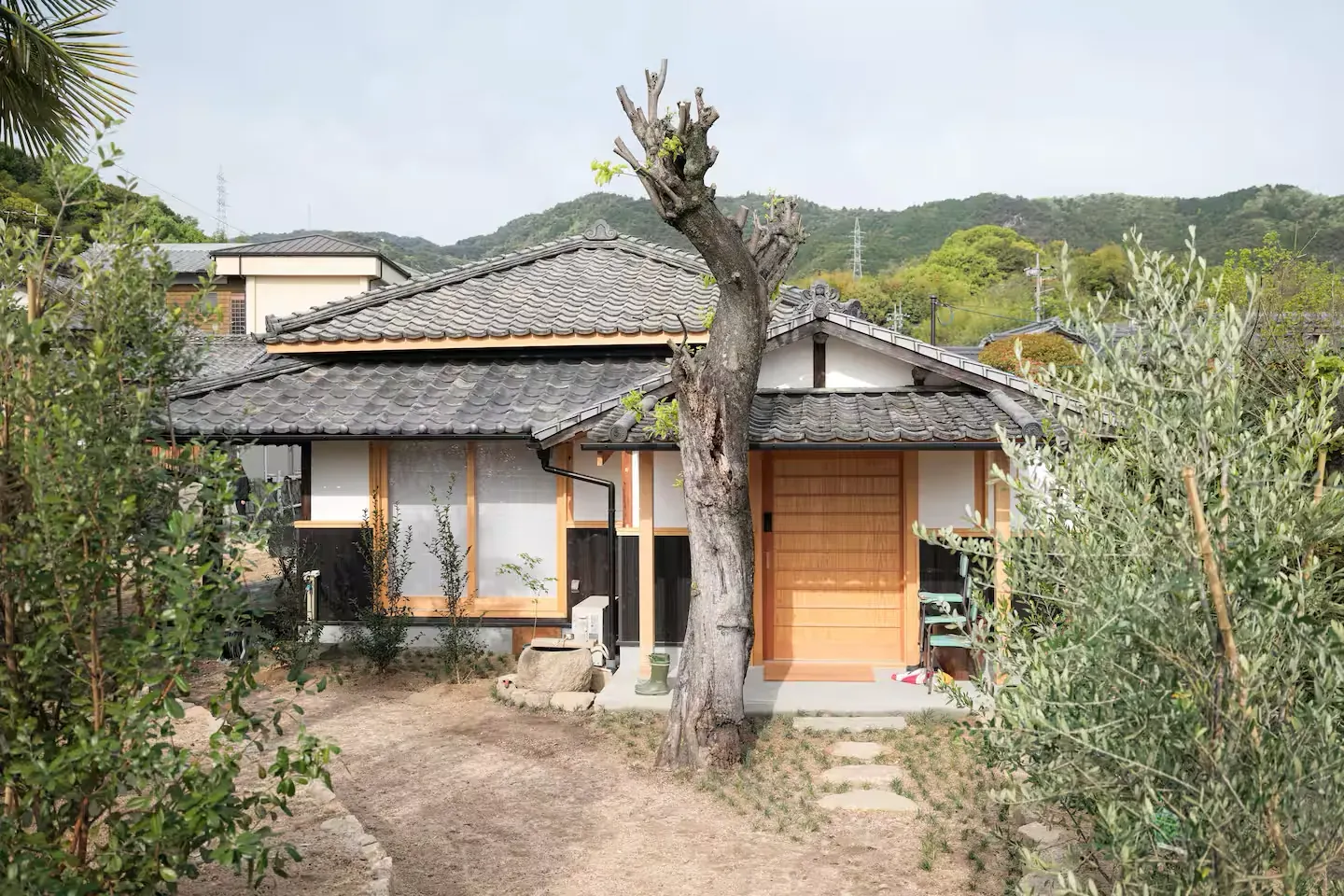
Once your renovation is done, then taxes and maintenance on a well-maintained property can be very modest, and for most renovators they are not a major consideration. Instead, your next big cost hurdle will be if you want to pursue an active income through short term rentals. If you do, you will need approvals, marketing, and onsite property management and these costs will burn up your revenues in no time. So slow-and-easy is definitely a better path unless you are planning to be a hospitality tycoon.
The Bottom Line
Buying an akiya in 2026 is indeed the opportunity of a lifetime, and we may not see such an alignment of demographic, regulatory, and financial forces again. Your decision on where and what to buy should be informed by many factors, not just a financial one, and you probably will need to have someone help you navigate your journey. AKIYA2.0 is one such trusted company, although of course there are many others, and we take you through the whole user journey: from search to purchase to renovation to property management. Be prepared to visit Japan a few times to understand not only what's available, but also to identify locations, communities, and properties that you can relate to. And there's one thing we can guarantee: even if the property you saw online has already been snapped up, it won't be the last one. In a country with millions of vacant homes waiting to be found, there's always another one out there for you.
Sources
Statistics Bureau of Japan, Ministry of Internal Affairs and Communications — 2023 Housing and Land Survey
https://www.stat.go.jp/english/data/jyutaku/index.html
Japan's Ministry of Health, Labour and Welfare — 2025 Vital Statistics Report (Japanese only)
https://www.mhlw.go.jp/toukei/saikin/hw/jinkou/geppo/nengai25/dl/gaikyouR7.pdf
Nippon.com — Number of Vacant Homes in Japan Reaches Record 9 Million
https://www.nippon.com/en/japan-data/h01987/
Nippon.com — Baby Decline: Births in Japan Drop for the Tenth Successive Year
https://www.nippon.com/en/japan-data/h02802/
Japan National Tax Agency (NTA) — No.4155 Inheritance Tax Rates (Japanese only)
https://www.nta.go.jp/taxes/shiraberu/taxanswer/sozoku/4155.htm
Hiroshima University — What Lessons Can Be Learned From Japan's Rural Movement Initiative, 15 Years On?
https://www.hiroshima-u.ac.jp/en/news/83464
EAVES Japan Magazine — Understanding the Revised Akiya Law: Key Points
https://eavesjapan.com/2023/04/understanding-the-revised-akiya-law-key-points/
Nomura Research Institute (NRI) — What to do about the vacant house problem in Japan?