Airbnb vs. Long-Term Rentals for Your Akiya
As a foreign owner, you can legally rent out your akiya once you own it. There's no restriction based on nationality for renting out Japanese property, whether short-term or long-term. The bigger question is which rental model actually makes sense for your specific akiya: renting it out as a short-term Airbnb-style stay or as a conventional long-term lease.
What's the earning potential: Airbnb vs. long-term rental?
Short-term rental (Airbnb-style) income can look very attractive on a per-night basis, but it comes with a hard ceiling. Under Japan's standard Minpaku registration, the path most relevant to a typical rural akiya, annual operation is capped at 180 days. At a rate of ¥15,000 per night, operating every available day under that cap would generate roughly ¥2.7 million in gross revenue annually, before platform fees, cleaning, and management costs. Real-world occupancy is typically lower than the full legal maximum, so actual income often lands below that ceiling.
Long-term rental, by contrast, has no day limit and produces steady, predictable monthly income but with a lower revenue ceiling overall, since you're not capturing the higher per-night rates tourists are often willing to pay.
Do you need a special license to run an Airbnb in your akiya in Japan?
Yes, Japan requires formal registration under its Minpaku law.
Minpaku (民泊, literally "private lodging") is the Japanese legal framework behind Airbnb-style rentals. Airbnb itself is just one platform you might list on, but Minpaku is the law that makes it legal in the first place. Since the Private Lodging Business Act took effect in 2018, homeowners can legally rent out a property short-term by filing a notification (not applying for a license) with their local government through Japan's national Minpaku portal.
Registering is more than just paperwork, the property itself has to meet real requirements: adequate floor space per guest, fire safety measures, and a designated management contact who can respond within a set window if something goes wrong. You're also required to have someone reachable and accountable in Japan, which typically means either living there yourself or working with a management company. This last point matters a lot for a non-resident owner specifically.
The 180-day cap is the most important number to understand. Once you are registered under the standard Minpaku framework, a property can only be rented short-term for a maximum of 180 days per year. A small number of special economic zones (parts of Osaka, Tokyo's Ota ward, and Kitakyushu) allow year-round operation instead, but these don't apply to most rural akiya locations, so 180 days is the realistic number to plan around.
One important, very recent update, as of July 2026, individual municipalities gained expanded authority to restrict Minpaku operations down to zero days in specific residential areas, in response to rising noise and neighbor complaints in some cities. This doesn't change the national 180-day rule itself, but it means checking your specific property's local ordinance is now a mandatory step, not just a formality. A location that was viable for Minpaku a year ago may not be today.
Given the registration requirements, the local-contact obligation, and now the added layer of shifting municipal rules, this is an area where professional guidance genuinely pays off. AKIYA2.0's Commercialize service handles Minpaku registration and ongoing compliance as part of turning a property into a short-term rental, so this doesn't fall on the owner to track alone.
How much ongoing effort does each option require?
This is often the deciding factor more than the numbers themselves, especially for a non-resident owner.
Airbnb-style rentals are the more hands-on option, even with a management company involved. Between guest communication, cleaning turnovers after every stay, restocking supplies, and the bi-monthly reporting required under Minpaku registration, ongoing attention is required throughout the year, not just at setup. Owners are also more frequently involved in decisions such as pricing adjustments, responding to guest reviews, and resolving issues that arise during a stay, even when day-to-day tasks are outsourced.
Long-term rental is comparatively low-maintenance. Once a tenant is in place, the ongoing work is largely limited to routine maintenance, annual tax filing, and occasional repairs. It’s closer to the standard, predictable workload most non-resident owners plan for.
Which option fits which kind of owner?
There's no single "better" choice here. The right option depends on the property and the kind of ownership experience you want.
Airbnb-style rental tends to work well when the property is in a scenic or tourist-accessible area, you're comfortable with more hands-on management, the local municipality still allows Minpaku operation, and you're also comfortable with a more hands-on (even if outsourced) management style. If you’re in a high-demand area, the ROI on short term rentals can be 5-10x what you might make on an annual contract basis. But it can be a roll of the dice if you only have one property.
Long-term rental tends to work well when the property is quiet or remote with limited tourist traffic, you prefer steady income over a higher but capped ceiling, or you'd rather avoid the ongoing registration and turnover management that short-term rental requires. The main issue is going to be finding that first long-term tenant, which can take many months.
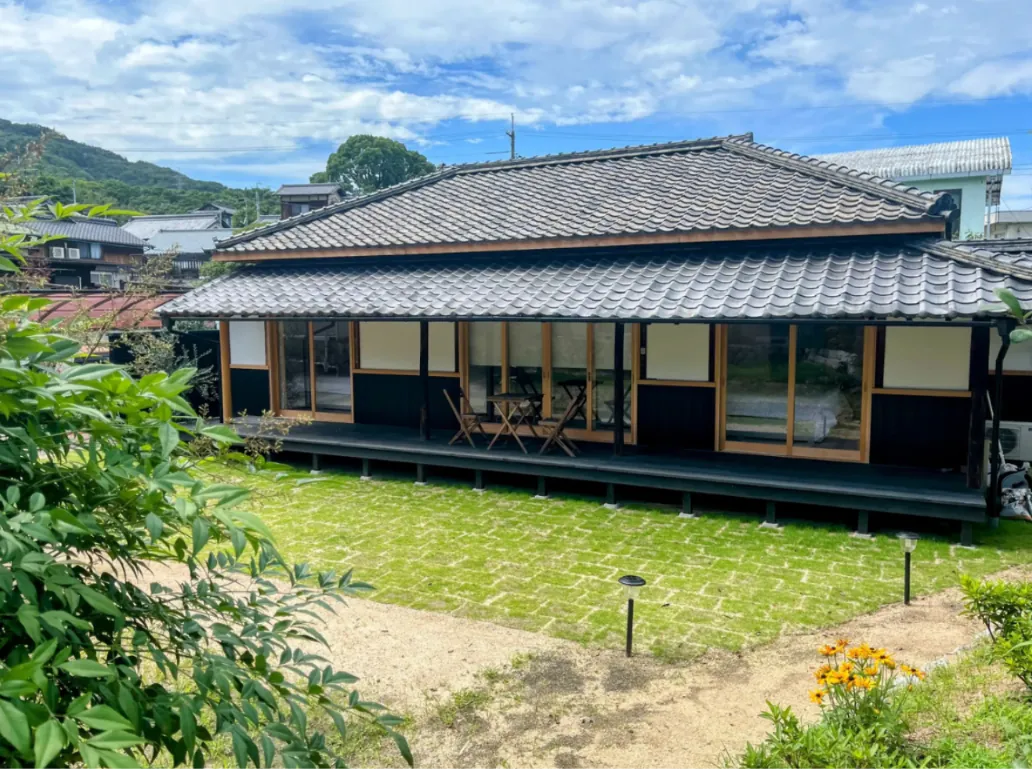
The property itself is often the clearest signal. A striking, well-preserved kominka with traditional architecture can command a premium nightly rate from travelers seeking a distinctive stay. The kind of character that's harder to monetize through a standard monthly lease. A more modest akiya, by contrast, often rents just as well long-term to local tenants, without needing the extra investment in guest-ready furnishing and presentation that short-term rental demands.
Local government incentives are worth checking too. Many rural municipalities actively want more long-term residents, not just visitors, and offer subsidies or reduced fees specifically for renting akiya out long-term. It's a financial factor that can shift the math in favor of long-term rental in some regions.
For many rural akiya, long-term rental ends up being the more realistic path because properties well-suited to short-term rental demand make up a smaller share of the akiya market overall. A scenic, well-preserved property in a tourist-accessible area may be the exception worth pursuing Minpaku registration for; a quieter, more remote akiya will often perform just as well, with far less ongoing effort, as a long-term rental.
It's also worth knowing the two paths aren't equally easy to switch between. Moving from long-term to short-term rental requires ending any existing lease before registering for Minpaku, while the reverse, converting a short-term rental into a long-term lease, is comparatively straightforward. If you're unsure which direction to commit to, this asymmetry is worth factoring into your decision now.
Choosing between an Airbnb-style rental and a long-term lease comes down to a few key factors: the income ceiling and legal requirements of Minpaku registration, how much ongoing effort you're willing to take on, and whether your specific property and location actually suit short-term guests in the first place.
Either path benefits from local support, but Airbnb-style management is a meaningfully bigger commitment. AKIYA2.0's Manage service covers the long-term rental side like bill payments, reporting, and administrative upkeep, while the Commercialize service handles the heavier operational load of running a short-term rental, from guest communication to turnover coordination. Note, though, that like most short term rental management firms, we only support certain areas where we already have a cluster of assets or other customers; otherwise, a single site becomes too expensive to support.
Whichever direction fits your property, AKIYA2.0's services support both paths, so the decision comes down to what's right for your akiya, not which option is easier to arrange.