Living in Rural Japan: Inaka
Inaka (田舎) means countryside in Japanese, referring to the rural areas far from Japan's major cities.
Japan's rural population continues to shrink and age. As a result, homes across the inaka are left vacant faster than new residents can fill them. This is a major reason why there are so many akiya in the first place. Understanding what daily life in the inaka involves is essential before deciding whether an akiya there is the right fit for you.
What is daily life actually like for an akiya owner in the inaka?
Moving from a city, or from overseas, into Japan's inaka involves a real adjustment. Transportation is one of the first things to get used to. Public transit in rural Japan tends to be infrequent, and many inaka communities have limited or no train access at all. Owning a car is a basic requirement for daily life, from grocery shopping to medical visits. Services follow a similar pattern. Hospitals, large supermarkets, and specialized shops are typically concentrated in the nearest town or city center, sometimes a considerable drive from a rural akiya. This is a meaningful trade-off for the space, quiet, and lower cost that draws people to the countryside in the first place.
Community life also works differently than it does in a city. In smaller, close-knit communities, new residents are often expected to introduce themselves to their neighbors and take part in local customs. Our paralegal, Ohki Sensei, specifically highlighted this as an important step for new akiya owners. Unlike in cities, where it is easy to remain anonymous, life in the inaka is more community-oriented. Being an engaged neighbor can help reduce the friction of being an outsider, whether foreign or Japanese. It's also worth knowing that the population around you is often older, since Japan's rural depopulation means many inaka communities are made up disproportionately of elderly residents, with fewer young families or peers nearby than you might expect coming from a city.
What should you consider before committing to rural life?
Given everything above, the practical question is how remote is right for you, rather than whether rural life is good or bad. Distance from a train station or city center is a good starting point. A property 15–20 minutes from a regional hub offers a very different experience from one an hour or more into the mountains, even if both are considered "inaka.” The closer property keeps hospitals, shops, and social activities within easy reach, while the more remote option offers more of the peace and space that may have attracted you to an akiya in the first place. Neither is better; they simply require different expectations.
Climate is another important factor, especially because it affects the condition of an older property. Many akiya are in areas with heavy snowfall or high humidity. These conditions can put extra pressure on traditional wooden houses, especially when it comes to the roof, insulation, snow loading, and moisture control. Newer urban apartments generally do not face the same challenges. This is also important when planning renovations. A house in a harsher climate may need more serious structural work than one in a milder area, even if they look similar at first.
Finally, think about how you plan to use the property. Someone living there full-time will have different priorities from someone using it as a seasonal retreat or renting it to others. If you are considering renting out your akiya, our guide on Airbnb vs. long-term rental for your akiya covers this decision in more detail. The property's location and climate can affect future guests or tenants just as much as they affect you.
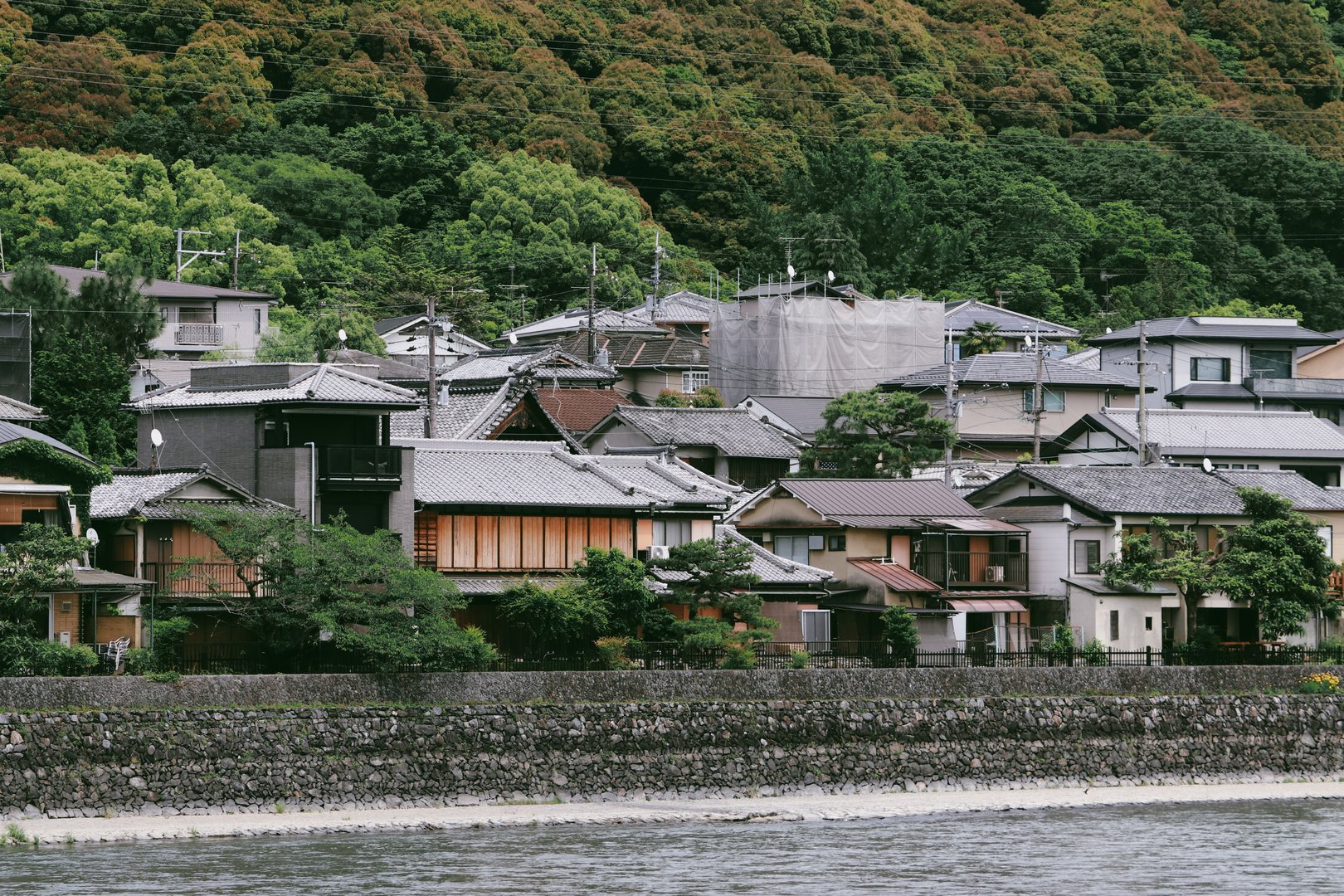
Healthcare, internet, and remote work in the inaka
Healthcare is one of the first things to check. Japan's national health insurance is open to foreigners who live in the country legally long term, but the main concern is distance. Doctors and large hospitals are concentrated in cities, and people in depopulated areas often have limited access to care. Before you buy, find out where the nearest clinic and hospital are and whether they can handle emergencies. English-speaking staff can also be hard to find in rural areas. If you are a non-resident, you can still access local health care, but of course you won't have the national insurance to help cover any treatment bills. That said, medical costs tend to be significantly lower in Japan than in the USA.
Remote work is a viable option when the internet is reliable, which is part of what makes the countryside living possible for most people. Internet speeds are usually better than people expect, but many owners also keep a mobile connection as a backup. Just keep in mind that owning a house in Japan does not give you the right to live or work there, so your visa status matters. Our guide on whether foreigners can buy property in Japan explains this in more detail.
Are akiya only found in rural Japan?
Not quite. Most akiya are in the countryside, but they exist in Japan's big cities too. The government's 2023 housing survey counted about 9 million vacant homes nationwide, and its prefecture-level results show two different patterns. By vacancy rate, rural prefectures lead. Wakayama and Tokushima are at around 21%, which means roughly one in five homes there is empty. By total number, the biggest cities come first. Tokyo has about 900,000 vacant homes, the most of any prefecture, and Osaka has hundreds of thousands more.
A vacant home in a city is not always an akiya in the way most buyers mean, though. Many are simply rentals between tenants. The long-term empty houses come closest to what people think of as akiya, and these comprise about 30% of the overall akiya stock.
Akiya in Tokyo are rarely in the city center. Most are in the mountainous west, in areas like Okutama and Hinohara, which are much more rural than people expect for a city like Tokyo. Akiya in Kyoto look very different. The city is known for machiya, traditional wooden townhouses with narrow fronts. The city's own survey counted about 34,580 of them in fiscal 2024, down from around 47,700 in 2008–09, and Kyoto has protected them with a preservation ordinance since 2017. Machiya in the city usually cost more than rural akiya and come with stricter renovation rules, especially in protected districts. Some also sit on narrow alleys where rebuilding may be restricted, so restoring the existing house is often the only option.
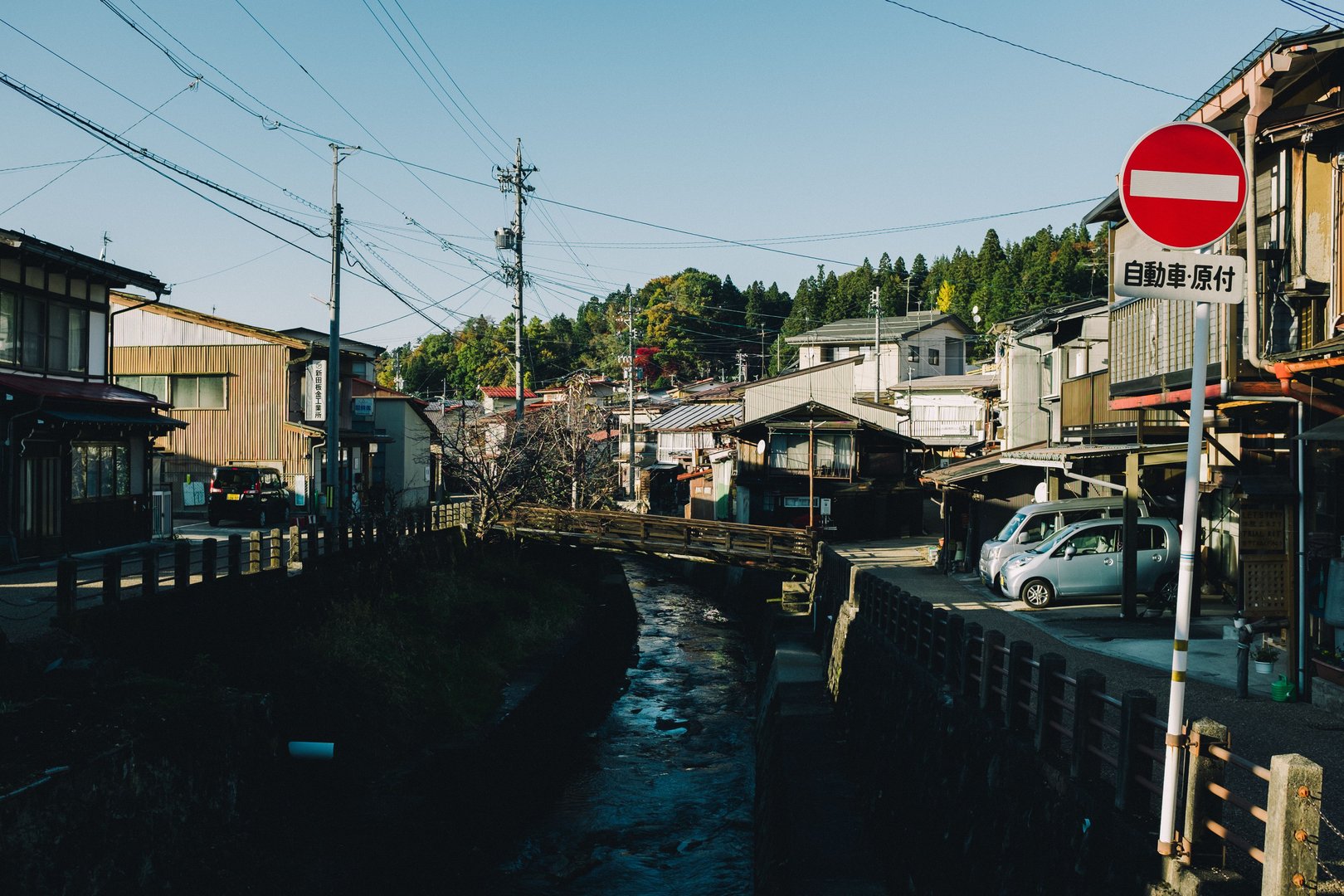
Living in rural Japan comes with real trade-offs, from longer distances and fewer services to a closer-knit community. For many akiya owners, the space, quiet, and lower cost are worth it, especially with realistic expectations and some planning ahead. Not every owner will live there full-time, though, and even those who do can't always be on site. Someone still has to handle utilities, property tax, maintenance, and paperwork. AKIYA2.0's Manage service covers these for overseas owners, so your akiya is looked after even when you're far away.