Buying a Property Near a Shinkansen Station in Japan
Most people who look at property in Japan start with Tokyo, Osaka, or Kyoto. Interest in Japan has grown quickly since the pandemic, and a record 42.7 million international visitors came in 2025, about 10 million more than before the pandemic. Much of that crowd lands in the same few places. According to one analysis of government data, Tokyo, Osaka, and Kyoto took 57% of foreign hotel nights in 2025, while 27 of Japan's 47 prefectures each recorded fewer than one million. The crowding has become serious enough that the government adopted a policy package to prevent and reduce overtourism in October 2023.
This is why AKIYA2.0 suggests looking along the Shinkansen lines, outside the major cities. The Shinkansen is fast and frequent, with top speeds of 285 km/h on the Tokaido line and 320 km/h on part of the Tohoku line, so you can live in a calmer place and still reach a major city within a few hours. In this guide, we explain why more buyers are looking beyond the big three, how the Shinkansen changes the distance, and how to choose a property near a station.
Why are more buyers looking beyond Tokyo, Osaka, and Kyoto?
Crowds are the first reason. In Kyoto, the top complaint in a city survey was overcrowded buses; since tourists fill them early in the morning, many local students struggle to get to school. The city also raised its accommodation tax from March 2026 to help pay for overtourism measures, and it already has some of Japan's strictest rules on minpaku, or short-term home rentals. In September 2026, it announced a draft plan for further restrictions. Other places are tightening too. Osaka City reportedly stopped accepting new applications for special-zone minpaku on May 29, 2026, and in July 2026 the national government gave every municipality more power to limit home rentals. If you hope to rent out your house, rules in the big tourist cities are the hardest to predict.
Prices are the second reason. Land prices rose 2.8% nationwide in 2026, the fifth year in a row, according to the Japan Times, but the increase wasn't even. Tokyo's rose 6.5%, the highest of any prefecture and its fastest growth in 18 years. Outside the three major metropolitan areas, regional land prices rose only 1.2% on average, and residential land only 0.9%. That doesn't make every smaller place cheap. Some resort areas, such as Hakuba in Nagano, have seen sharp jumps, so it's worth comparing locations before you decide.
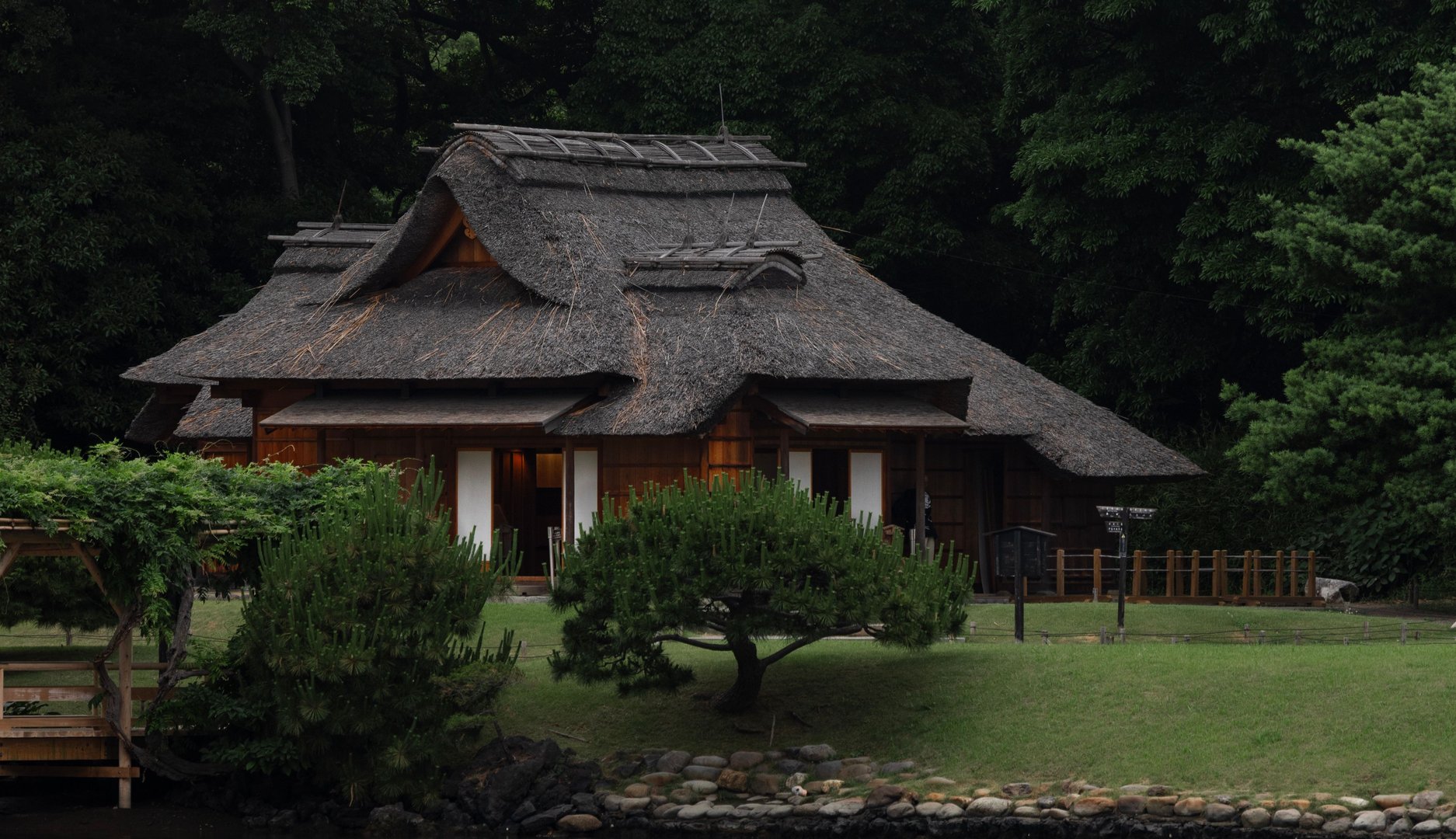
The third reason is the type of home. Tokyo has the most vacant homes of any prefecture, but many are ordinary apartments. The traditional house with land that most people picture when they think of an akiya is scarce in the big three cities, and it comes with heavy rules. A machiya in central Kyoto, for example, often costs tens of millions of yen and has strict renovation limits. In smaller cities and towns, traditional houses with land are far more common, and they typically cost a few million yen or less.
The catch is distance, and that's where the Shinkansen comes in.
Why does the Shinkansen matter when you buy a house?
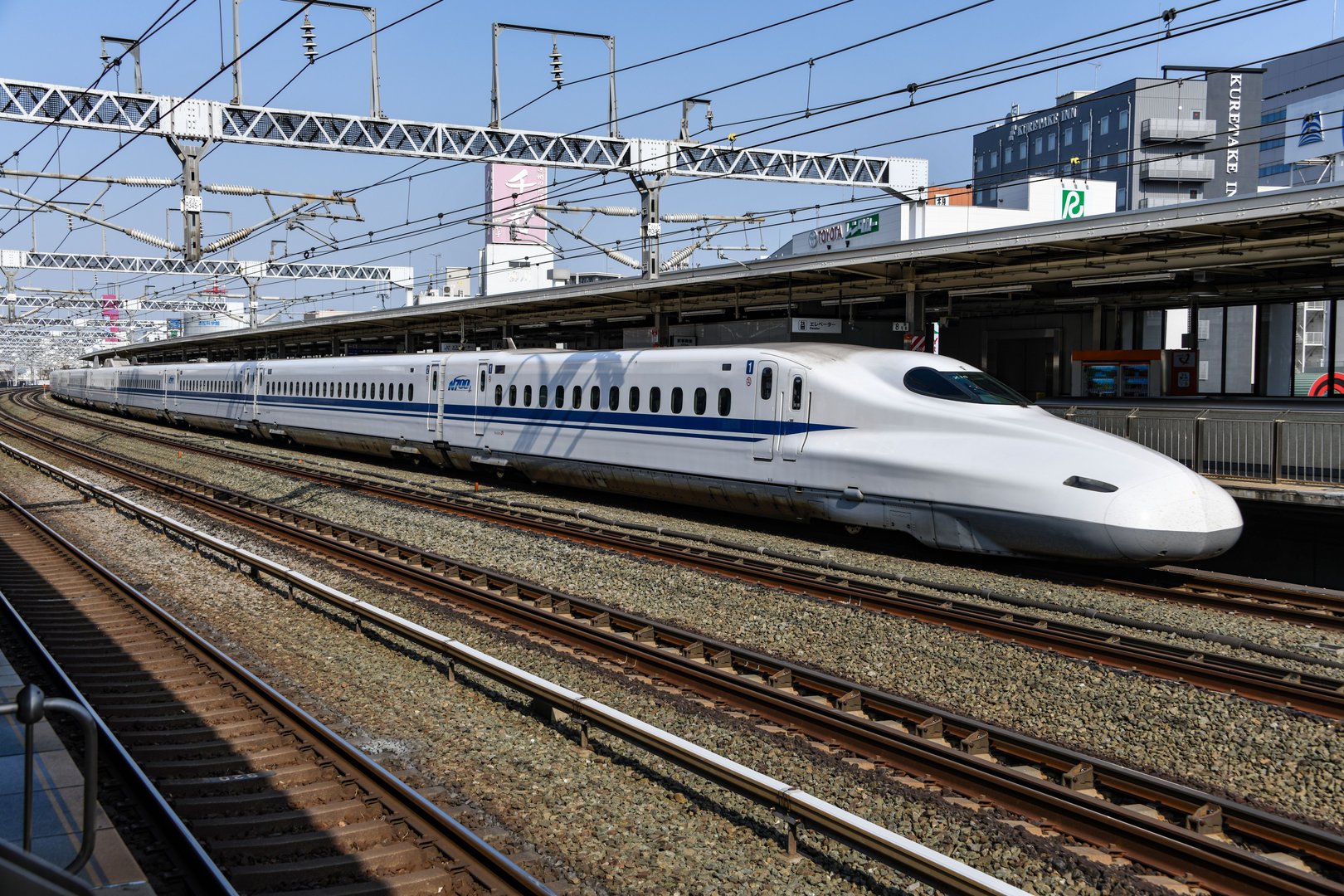
The Shinkansen changes how far "outside the city" really is. The fastest train from Tokyo to Osaka takes about 2 hours and 22 minutes, and places far from Tokyo can be closer than you might expect. Nagano is only about 85 minutes away. A house there can feel like a different world from central Tokyo, so it's within a half-day trip.
The trains also run often, which matters as much as speed. The Tokaido line has up to 17 trains per hour, so you don't need to plan around a timetable. On the Hokuriku line, the fastest services run at least 14 round trips a day between Tokyo, Kanazawa, and Tsuruga, with more trains stopping at smaller stations.
For a buyer, this means a quiet home doesn't have to mean being cut off. You can reach big-city hospitals, airports, and offices in a few hours, which helps if you're an overseas owner who visits several times a year, or if you work remotely and only travel to the city occasionally. It also suits a second home. A town near a Shinkansen station is simply easier to get to, for you, for family, and for guests.
How do you choose a property near a Shinkansen station?
There's no single best line, so a good way to choose is to start with what matters to you, then pick a station, and only then look at houses.
Distance to your main city. Decide whether you want to stay close to Tokyo, Osaka, or both. The Tokaido line connects Tokyo, Nagoya, Kyoto, and Osaka, while the Tohoku, Joetsu, and Hokuriku lines all run to and from Tokyo.
Travel time you can accept. Many buyers set a limit, such as two hours. A trip of one to two hours makes regular visits easy, while three hours or more means you'll travel less often. Shinkansen tickets also cost much more than local trains, so longer trips add up.
Trains that stop at the station. Faster trains skip small stations, so check the timetable for the station itself, not just the line. On the Tokaido line, for example, the fastest Nozomi trains stop at only six stations, and the all-stops Kodama train takes almost four hours from Tokyo to Shin-Osaka. Free tools like Navitime or Google Maps show which train stops where.
Distance from the station to the house. Shinkansen stations aren't always in the town center, and in rural areas you’ll often need a car. At Shin-Fuji Station in Shizuoka, for example, a connecting bus takes about seven minutes to reach town. Also check the local line you'd use every day.
Climate you can live with. The Pacific side of the Tokaido line is mild, while parts of Tohoku and Hokuriku get heavy snow in winter. Snow affects the roof, heating, and winter driving, so it matters a lot for an older house.
Space and budget. The more connected the corridor, the more you can expect to pay. Once you have a few stations in mind, search for houses within a 10- to 30-minute drive on the AKIYA2.0 listings map, where you can filter by prefecture, price, and size. Each town's own akiya bank is also worth checking, though most are only in Japanese.
Risks and a visit before you buy. Look up the address on the government's hazard map portal, and for an older house, find out when it was built. Then take the train you'd actually use, from the nearest big city to the station, and time the whole trip, including the nearest supermarket and hospital.
A few examples of Shinkansen lines you can choose:
Tokaido line (Tokyo to Osaka, up to 285 km/h): Atami is about 45 minutes from Tokyo, Nagoya about 1 hour 35 minutes, and Kyoto about 2 hours 10 minutes. The climate is mild, and prices are generally higher.
Tohoku line (Tokyo to Aomori, up to 320 km/h): Koriyama is 80 to 110 minutes by the Nasuno, Fukushima is about 90 minutes, and Shin-Aomori is 3 hours 9 minutes. There’s more space, but winters are snowy.
Hokuriku line (Tokyo to Tsuruga, up to 260 km/h): Kanazawa is about 2 hours 30 minutes and Fukui 2 hours 51 minutes. It suits buyers who like mountains, hot springs, and old towns. If you’re looking at Niigata, the separate Joetsu line takes just over an hour and a half.
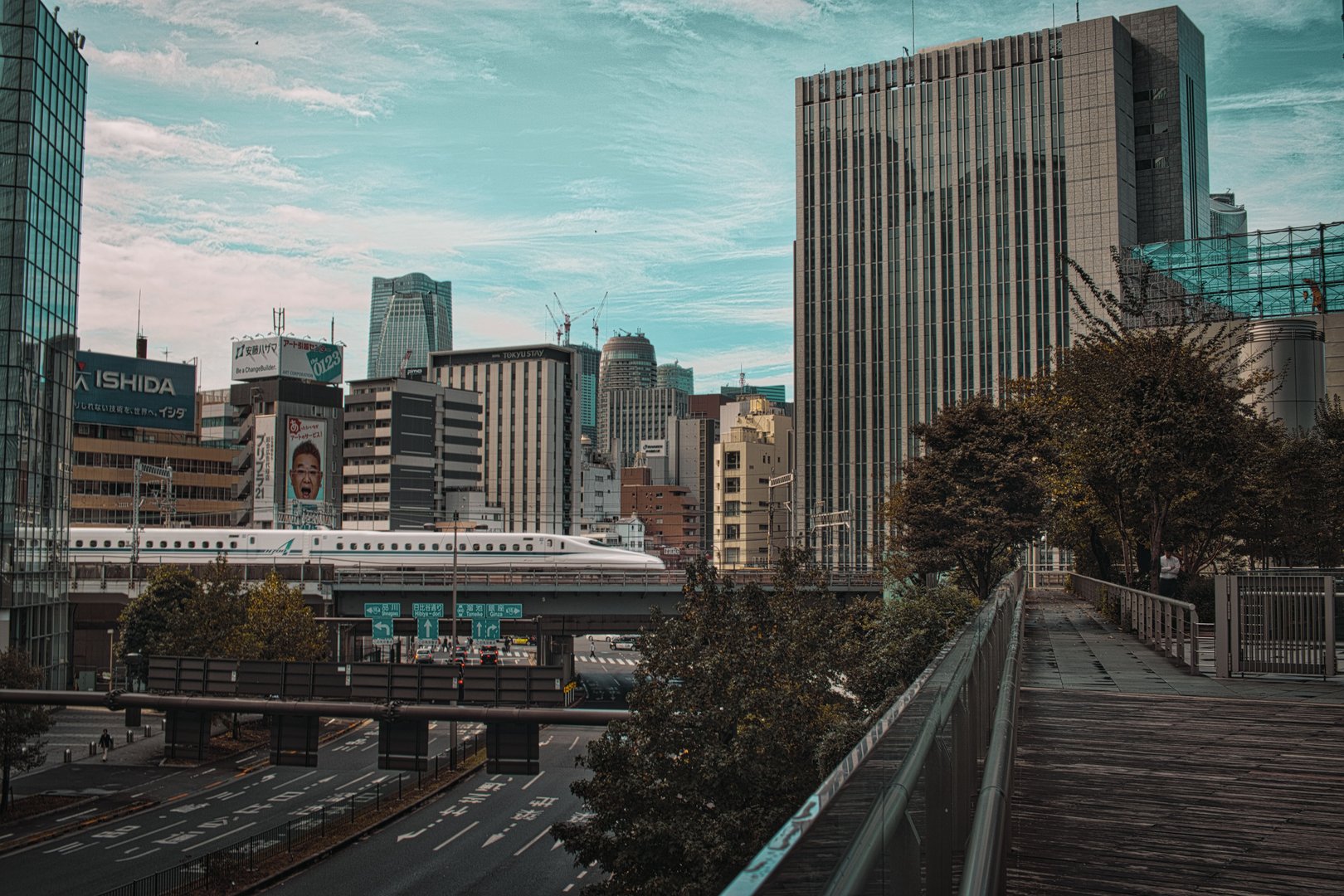
Tokyo, Osaka, and Kyoto will always draw the biggest crowds, but they aren't the only places to live in Japan. The Shinkansen makes it realistic to choose a calmer town with more space and still reach a major city in a few hours.
You don't have to do all of this alone. AKIYA2.0's Buy service guides you through the property search, fee negotiation, and legal paperwork in English, and fully remotely.