What is an Akiya Bank?
Akiya Bank (空き家バンク) is a database of vacant house listings in Japan, operated by local governments to match akiya property owners and buyers.
Japan has roughly 9 million vacant houses nationwide, and that number keeps growing as the rural population shrinks and ages. To solve this large problem, most of Japan's roughly 1,700 municipalities operate some version of akiya bank. The municipality itself usually isn't the seller, but rather a matchmaker. It lists a property on the owner's behalf, and once a buyer is interested, it typically connects them with the owner directly, or with a local real estate agent to handle the actual sale. Prices on akiya banks tend to run well below the regular market, since local governments care more about attracting new residents than maximizing profit. Listings range anywhere from a few hundred thousand yen down to almost free.
How does an akiya bank work?
The process is fairly consistent across municipalities, even if the exact experience varies from one town to the next. It starts with the property owner who has a vacant home registering it with their local government, usually at no cost. The municipality then publishes the listing publicly, though how polished that listing looks depends entirely on the town. Some run proper searchable databases with photos and floor plans, and others post little more than a PDF that gets updated every few months.
From there, it's on the buyer to reach out. Interested buyers typically contact the municipality directly, rather than browsing and purchasing the way you would on a commercial real estate site. The municipality reviews the inquiry and, if things move forward, connects the buyer either with the property owner directly or with a local real estate agent to handle the actual transaction.
Since municipalities are often trying to attract long-term residents rather than just sell property, some akiya bank programs prioritize buyers who plan to actually live there over those buying purely as an investment.
Why is finding and using an akiya bank difficult?
Akiya banks are a genuinely useful resource, but they come with real friction for anyone who doesn't read Japanese. The vast majority of akiya bank listings, applications, and correspondence exist only in Japanese, with no English support.
The second problem is fragmentation. There's no single, centralized akiya bank. There are roughly 1,700 separate ones, each run independently by its own municipality, with its own website, its own format, and its own process. Finding available properties means checking town after town individually, since a listing that exists in one municipality may not appear anywhere else.
Together, these two problems mean that even a Japanese-speaking buyer faces a slow, scattered search, and for someone who doesn't speak Japanese at all, akiya banks can end up feeling effectively out of reach, despite being one of the best sources of affordable property in the country.
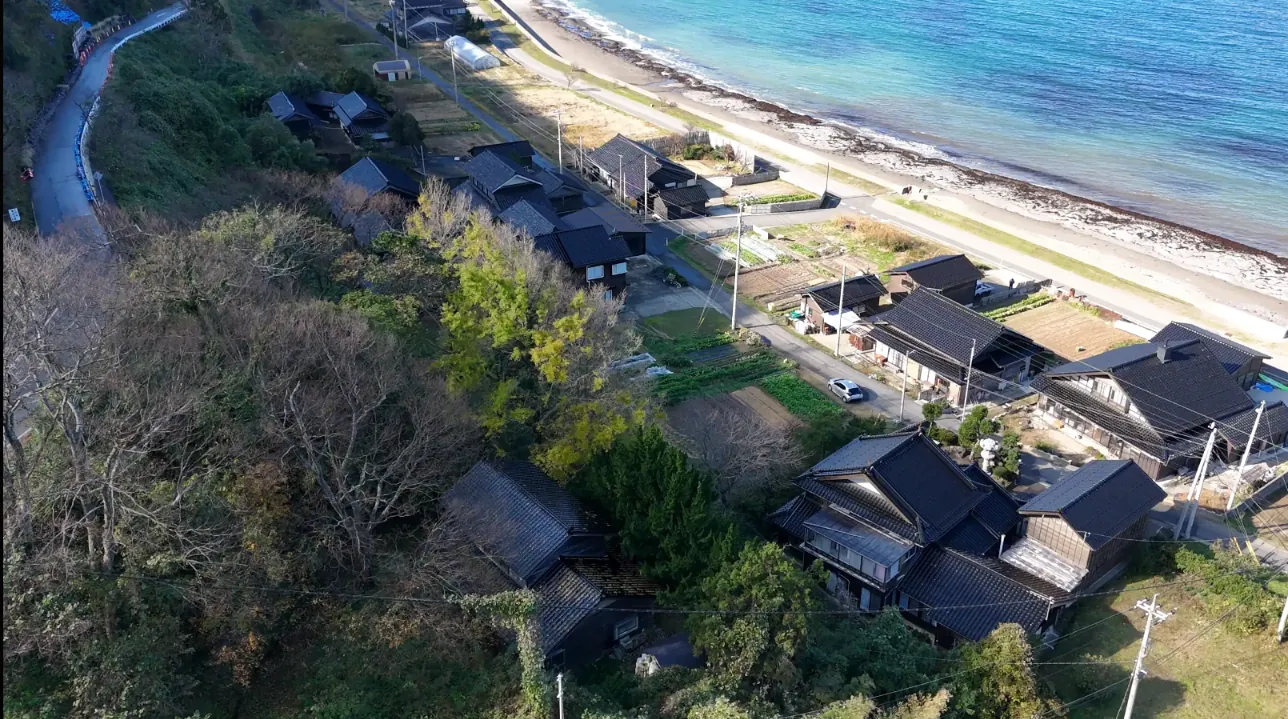
How AKIYA2.0 helps
This is exactly the gap AKIYA2.0 exists to close. Instead of navigating dozens of separate municipal websites in Japanese, AKIYA2.0's Buy service handles property search, fee negotiation, and legal paperwork on your behalf, entirely in English and fully remote.
That means you don't need to personally track down which of Japan's 1,700 municipalities has a listing that fits what you're looking for, or work out how to apply through a local government office you can't read. AKIYA2.0 manages that process directly, so an akiya bank listing becomes just as accessible as any other property on the market.
And since buying is only the first step, AKIYA2.0's Renovate, Manage, and Commercialize services carry that same support through the rest of the akiya lifecycle, from the moment you find a property through to owning, living in, or renting it out.