How to Choose a Safe Property in Japan (Part 1)
Japan sits in one of the world's most active earthquake zones, the Pacific Ring of Fire. According to a Japanese government presentation, about 20% of the world's major earthquakes (magnitude 6 or above) happen in or near Japan. The country also deals with typhoons, floods, landslides, and tsunamis. If you're thinking about buying a house here, especially an older one like an akiya, it's fair to ask how safe it really is.
The good news is that Japan has spent centuries, and certainly recent decades, learning to live with these risks. It has earthquake-resistant building standards, a national disaster management system, and free hazard maps that let anyone check the risk at a specific address. This guide explains which natural disasters can affect a house in Japan, why they matter when you buy, and how to check a property step by step before you commit.
Natural Disasters in Japan
Earthquakes, Tsunamis, Soil Liquefaction, and Volcanoes
Japan sits on the Pacific Ring of Fire, a belt of earthquake zones and volcanoes that runs around the edge of the Pacific Ocean. Most of the world's earthquakes and about 75% of its volcanoes are found there.
The reason comes down to what's under the ground. The Earth's surface is made of huge slabs of rock called tectonic plates, which are always moving, albeit very slowly. Four of these plates meet around Japan, and in some places one plate slides underneath another. That movement is not smooth and can build up pressure over years or even centuries. When the pressure is suddenly released, we feel it as an earthquake. The same process also pushes magma up toward the surface, which is why Japan has 111 active volcanoes, about 7% of the world's total. According to the University of Tokyo, the country also has more than 2,000 active faults.
Many of Japan's biggest earthquakes start under the sea. When the seafloor suddenly shifts, it can push a huge amount of water toward the coast, and that is how a tsunami forms. The 2011 Great East Japan earthquake and tsunami, which Britannica lists among the major events on the Ring of Fire, is the best-known example. Earthquakes can also shake loose soil on slopes, which can lead to landslides.
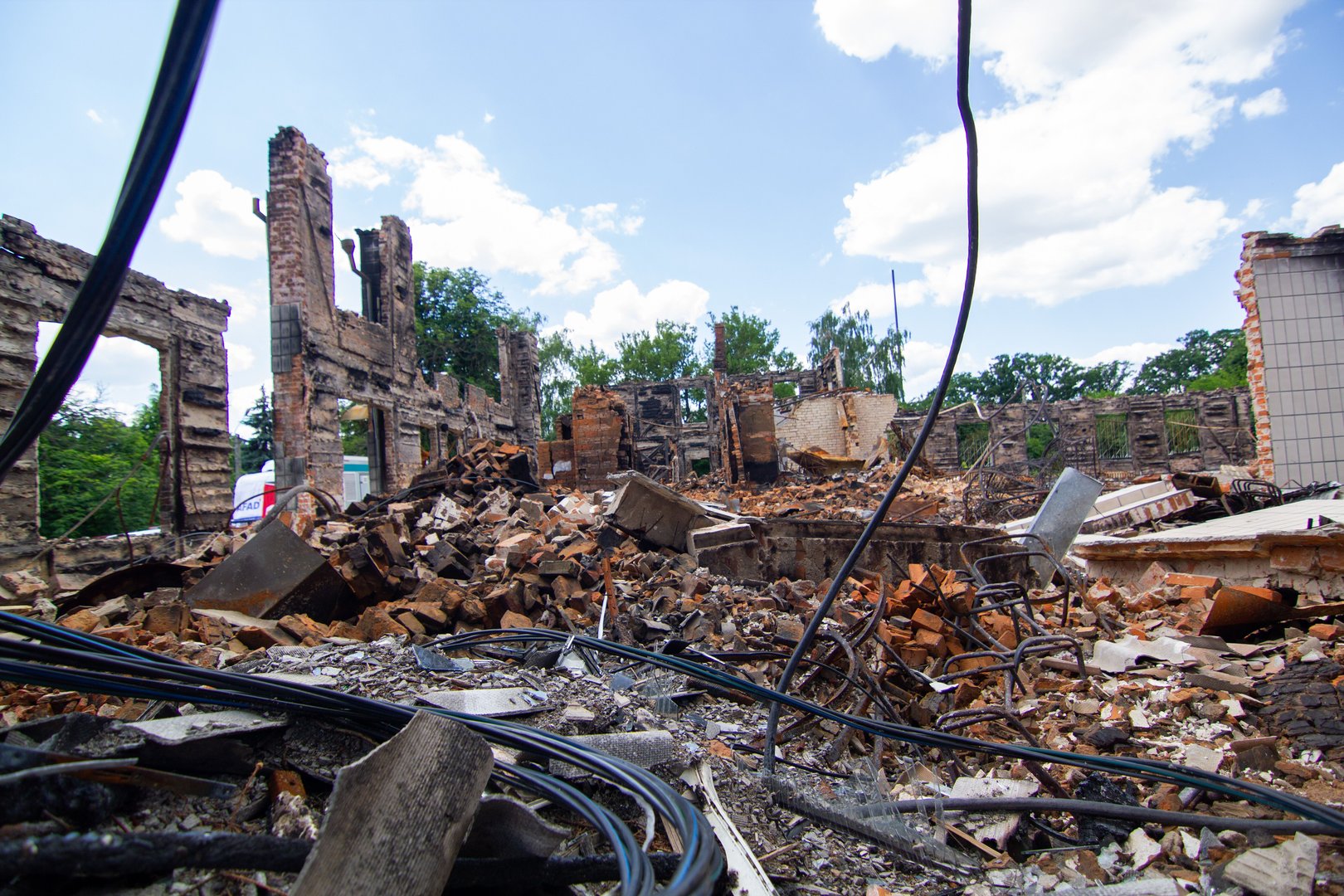
Strong shaking can also change the ground itself. When the soil is loose, sandy, and full of water, shaking can make it behave like a liquid for a short time. This is called soil liquefaction. Buildings on top can sink or tilt, and underground pipes and manholes can be pushed up through the road. In Japan, it mostly affects reclaimed land and old river channels, since much of that ground is made of loose sand. Large parts of the Tokyo Bay coast were reclaimed from the sea, and during the 2011 earthquake the ground liquefied across a wide area, badly damaging thousands of houses in Urayasu (near Disneyland) alone. In the 2024 Noto Peninsula earthquake, liquefaction made the ground in Uchinada slide sideways and upwards, causing the shoreline on the western coast to rise by as much as three meters. The first widely studied case was the 1964 Niigata earthquake, when whole apartment buildings tilted over without breaking apart. The lesson for buyers is that a house can be well built and still be damaged if the ground under it fails.
Typhoons, Flooding, and Landslides
The second group of disasters has less to do with what's underground and more to do with weather and terrain. According to figures from the Japan Meteorological Agency, about 25 typhoons form in the western Pacific each year. On average, around 11 come close to Japan and about 3 make landfall. The same study found that the number of typhoons approaching the Tokyo area has increased over the last 40 years and that they are getting stronger as they reach land. Before typhoon season comes the rainy season, which runs from roughly June to July, and this can bring days of steady rain.
The shape of the land makes this rain more dangerous. About 70% of Japan is covered by steep mountains, so rivers are short and fast. Water levels in these rivers rise very quickly once heavy rain falls, and most cities, homes, and farmland are concentrated on flat plains that make up only about 10% of the land. That is where flooding does the most damage. On slopes, the same heavy rain can loosen the ground and cause landslides. In winter, cold winds also bring heavy snow to parts of the country, especially along the Sea of Japan coast.
Japan faces more than one kind of risk, and the one that matters most depends on where a house is. A coastal town has to think about tsunamis, a river valley about floods, and a mountain village about landslides and snow.
Why does natural disaster risk matter when buying a property in Japan?
No property in Japan is completely risk-free, but the risks aren't the same everywhere. Each hazard affects a house in a different way, and some only apply to certain locations, so it helps to know what each one means for you as a buyer.
Earthquakes are the one risk that applies to the whole country. Japan has up to 2,000 earthquakes a year that people can feel, although most are small. The major fear at the moment is the possibility of a large earthquake along the Nankai Trough, off the Pacific coast. The government has warned there's a 70 to 80% chance of one within the next 30 years. For a house, the main question is how well it can handle shaking, which depends mostly on its age and how it was built. Even a house that stays standing can lose power, water, and gas for days after a strong quake.
Tsunamis are rare in any one place, but when one hits, the damage can be total. The 2011 tsunami destroyed more than 123,000 homes. A tsunami only reaches low-lying land near the coast, so a house inland or on higher ground faces much less risk. A house in a coastal village needs to be checked carefully.
Soil liquefaction is different because the shaking may not destroy the house at all. Instead, the ground under it gives way. A house can sink or tilt, and the pipes and roads around it can break. A tilted house can be hard to live in and expensive to fix, even if the structure itself is fine. This only happens in strong earthquakes and only on certain ground, like reclaimed land, old river channels, and sandy soil, so it’s something to check for a specific address, not a whole town.
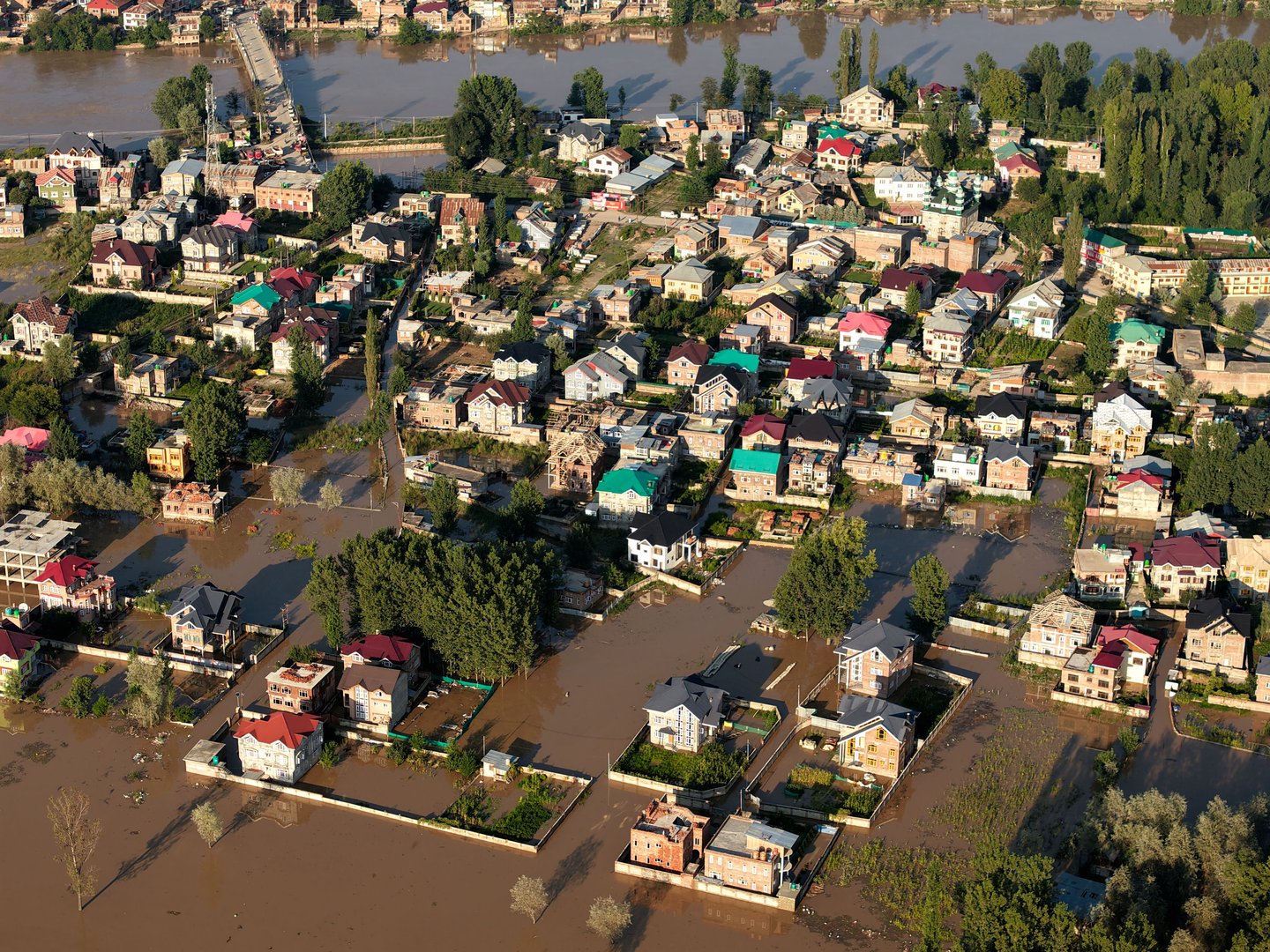
Floods are one of the risks that come around most often. Typhoons and the rainy season bring heavy rain every year, and Japan's rivers rise quickly. Even a shallow flood can ruin floors, walls, and belongings and leave mold behind. Floods mostly threaten houses near rivers and on low, flat land. The reassuring part is that typhoon deaths have dropped sharply since the 1960s, thanks to better construction, flood prevention, and early warnings.
Landslides deserve special attention for akiya, since so many are in the mountains. About 1,000 landslides, debris flows, and slope collapses happen across Japan every year, and as many as 530,000 places are considered at risk. A house at the foot of a slope, in a narrow valley, or near a cliff is the most exposed, especially after heavy rain or an earthquake. A single episode of heavy rain in July 2018 caused about 2,500 of them, more than double a normal year.
This covers the main risks and what each one can mean for a house. Knowing the risks is only half the picture, though. In Part 2, we look at how to check a specific property before you buy: hazard maps, what your agent has to tell you, and what to look for in the house itself.