How to Choose a Safe Property in Japan (Part 2)
In Part 1, we looked at the natural disasters that can affect a house in Japan, from earthquakes and tsunamis to floods and landslides, and what each one means for a buyer. This second part is the practical one: how to check a specific property before you commit. It covers hazard maps, what your agent has to tell you, and what to look for in the house itself, with a focus on older homes like akiya. Before getting to the checks, there are two points that apply to every hazard:
First, disasters affect daily life, not just the building. After a major event, power, water, gas, and roads can be cut for days. This matters even more in a rural area, where help and supplies take longer to arrive, and a single road may be the only way in or out. If you won’t live in the house full time, someone also needs to check on it after every serious storm or earthquake.
Second, the risk depends on the exact spot, not the prefecture. Two houses on the same street can face very different risks. One may be on higher ground while its neighbor is on a former riverbed, and a house at the foot of a slope faces landslides that one on the ridge doesn't. That's good news, because most of these hazards are tied to location, so you can check them and avoid the riskiest spots. Earthquakes are the exception. No part of Japan is free of earthquake risk, although there are some historically less active areas (the western side of the Setonaikai, for example), so the focus is making sure the house itself can handle shaking.
This leads us to the practical part of how to check a specific property, starting with hazard maps.
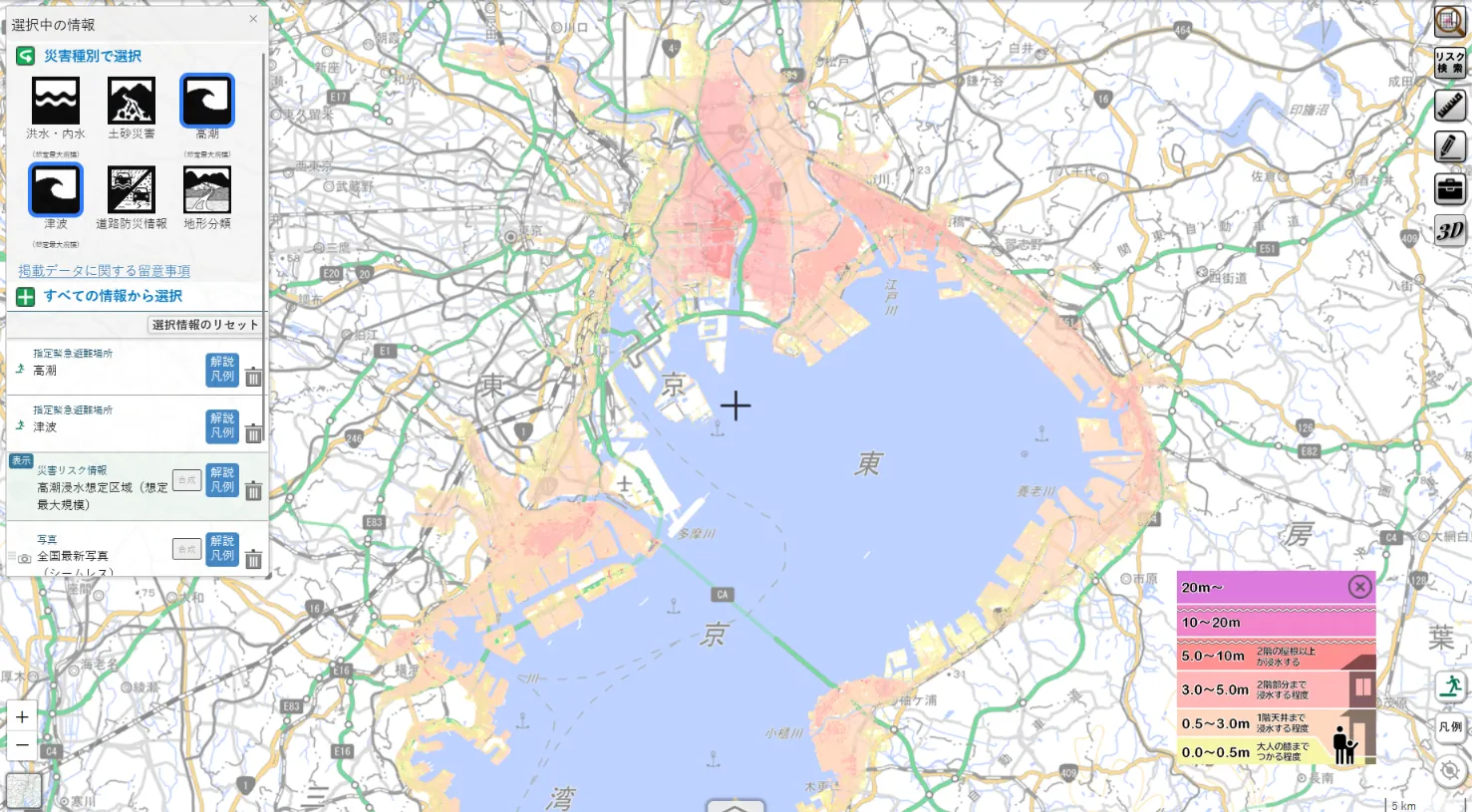
How do you check natural disaster risk before buying a house in Japan?
Japan publishes its disaster risk information for free, and you can check any address yourself before you spend time on viewings or paperwork. The main tool for this is the hazard map.
A hazard map is an official map that shows which areas are likely to be hit by a specific disaster, such as a flood, tsunami, or landslide, and where the evacuation routes and shelters are. Japanese municipalities are required to make them, and anyone can look up any address for free, which makes them the best way to see whether a house is in a risky spot. The easiest place to start is the land ministry's Hazard Map Portal. Its Overlay Hazard Map lets you type in an address and switch risks on and off, such as flooding, landslides, tsunamis, and storm surges, while its My Town Hazard Map links to the more detailed maps each city publishes. The portal is mostly in Japanese, but the risks show up as colored areas on the map, and a browser translation tool handles the rest. For earthquakes, use J-SHIS, a free English map that shows how likely strong shaking is in a given place over the next 30 to 50 years.
Your agent has to tell you some of this too. According to the land ministry, before a contract is signed, agents must explain whether the property is in a landslide or tsunami warning area and, since 2020, show where it sits on the flood hazard map. This explanation usually comes late, and it doesn't cover everything, such as liquefaction, so do your own check first and ask for the explanation in writing. Being in a warning zone isn't unusual, as more than 640,000 areas in Japan are designated as landslide alert areas, so it doesn't mean you shouldn't buy. It does mean you should look more closely. Maps also aren't the whole picture. Check whether the house sits higher or lower than its surroundings, look at old maps or photos to see whether the land used to be a river or rice field, and ask the neighbors or the local town office whether the area has flooded before. It's also worth finding the nearest evacuation shelter, since in a rural area there may be only one road to it.
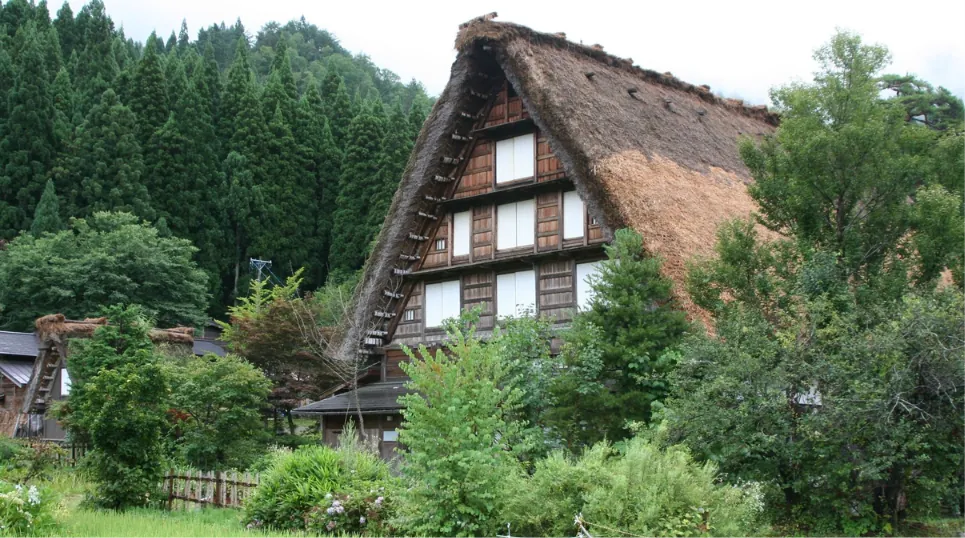
What should you look for in the house itself?
Hazard maps tell you about the land. For an akiya, the building matters just as much, and the best clue is its age. Japan tightened its earthquake rules for new buildings on June 1, 1981, and strengthened them again in 2000 for wooden houses. The difference shows up clearly in real earthquakes. In 1995, 97% of the buildings that collapsed in Kobe were built before 1981. After the 2016 Kumamoto earthquakes, a survey of wooden houses in the town of Mashiki found that 28% of houses built before 1981 collapsed, compared with 8.7% of those built from 1981 to 2000 and 2.2% of those built after 2000. Many akiya, especially traditional kominka, were built long before 1981, which puts them in the highest-risk group. That doesn't mean an old house can't be made safe, but it does mean you shouldn't assume it already is.
Before buying, ask for the building's construction date, which appears on the building's registry record and its original permit documents. If the house was built before 2000, ask for a seismic diagnosis (耐震診断), an assessment by a licensed architect of how the building would hold up in a strong earthquake. It's best to do this before you commit, since the result affects how much you should budget for renovation. Many municipalities help pay for the diagnosis and for reinforcement work, but the rules differ from town to town, and you usually have to apply before work begins, so ask the local town office early.
If a house does need reinforcement, the usual fixes are strengthening the foundation, adding braced walls, fitting metal connectors at the joints, and replacing a heavy roof with a lighter one, since a heavy roof on a weak frame was a common cause of collapse in Kobe. The same inspection should also look at the roof and foundation for typhoon, flood, and heavy snow damage.
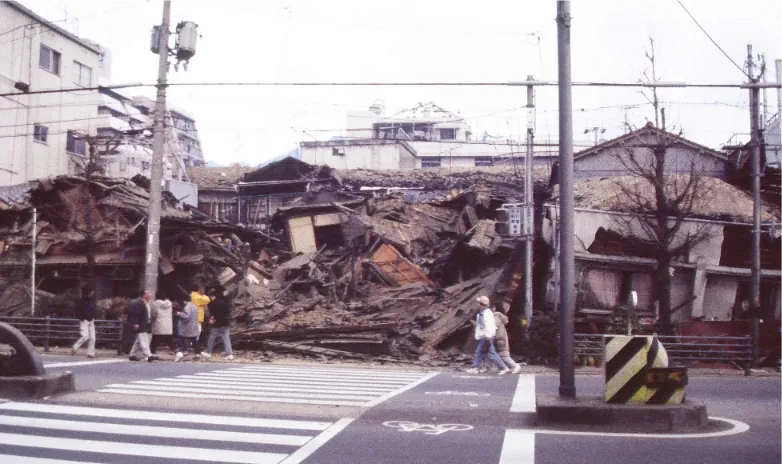
Japan has some of the world's strictest earthquake building rules, detailed free hazard maps, and a well-developed warning system. The buyers who run into trouble are mostly the ones who skip the checks.
AKIYA2.0's Buy service guides you through the search and paperwork in English, and if a house needs strengthening, our Renovate service works with local craftsmen on structural work and manages the project for you. Once you own the house, our Manage service can arrange inspections and repairs, which matters most after a big storm or earthquake when you're far away.