3 Prefectures to Buy Akiya in Japan
When people think about living in Japan, they usually think of Tokyo, Osaka, or Kyoto. Those places are great, but the high rate of interest in those cities creates overpopulation in those areas. Japan welcomed a record 42.7 million visitors in 2025, and much of that crowd stays in the same few cities. However, many prefectures have opportunities in terms of akiya but don’t attract much attention from people looking for an akiya. I want to list out three of them: Aomori for a deep, quiet countryside, Yamanashi for a country house close to Tokyo, and Tokushima for history and festivals with nature nearby.
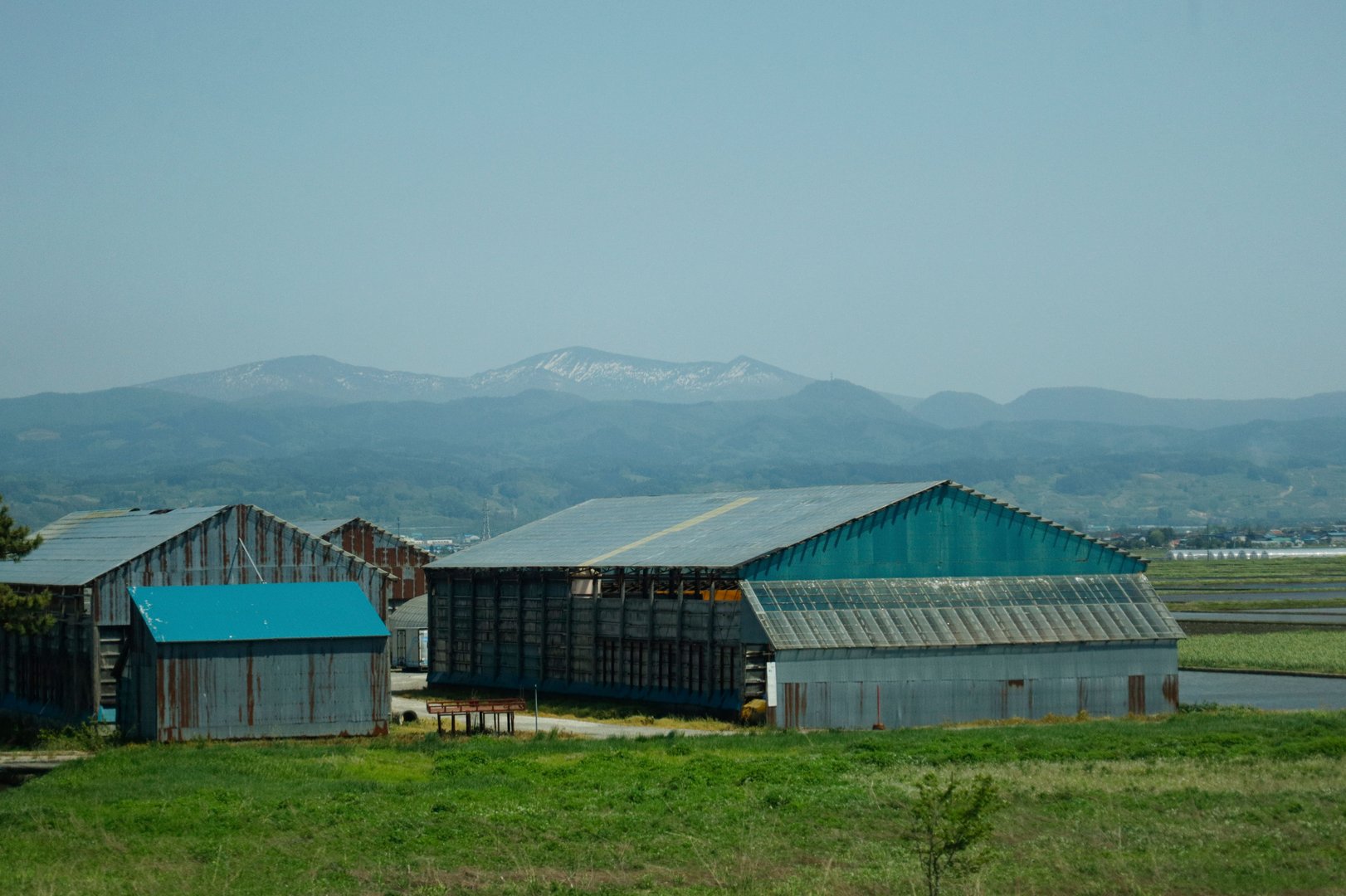
Aomori
If you want a real inaka (田舎) experience, Aomori is one of the best options. It sits at the northern tip of Honshu, and life here is slow and quiet. Many of the towns are small, which makes them close-knit. Neighbours know each other, and being part of the community matters.
Aomori may feel far away, but the Shinkansen makes it more reachable than you might think. The direct train from Tokyo to Shin-Aomori takes about 3 hours, so a visit from Tokyo is easy to plan.
Aomori also has four very clear seasons. Spring brings cherry blossoms, fall brings red leaves and the apple harvest, summers are short and cool, and winter brings heavy snow. That contrast is part of the charm, and it’s something you don’t get in a big city.
It’s also one of the places where akiya are easy to find. The population is shrinking quickly. In the small town of Fukaura, for example, more than half of residents are over 65. This is hard for the towns, but it also means many empty houses are available at relatively low prices.
However, snow is real work when it comes to akiya. Roofs, heating, and winter driving all matter, and a cheap house can need expensive repairs. And the eastern coastline has an earthquake risk, as the magnitude 7.5 quake in December 2025 reminded us.
Yamanashi
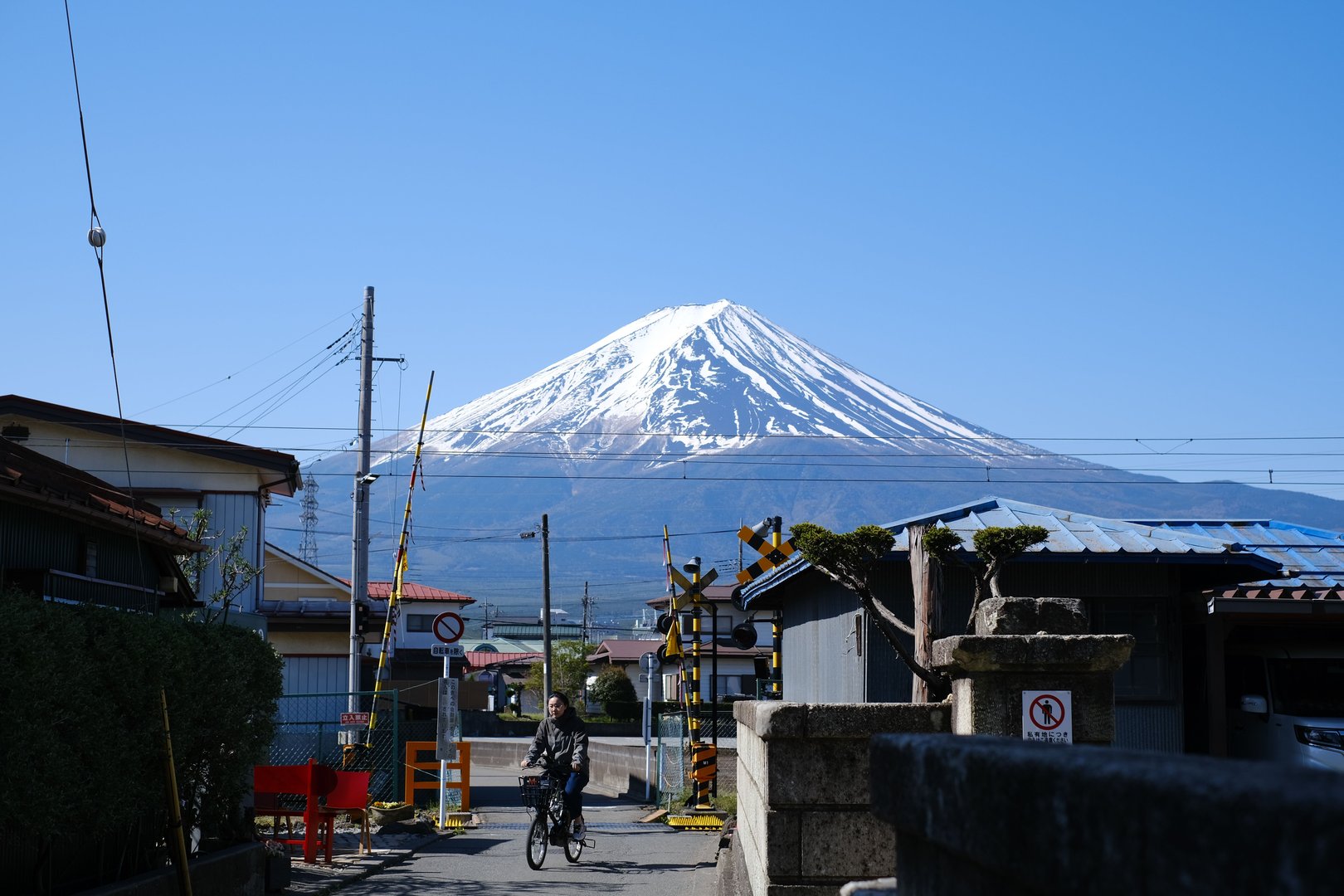
If Aomori is the distant countryside option from Tokyo, Yamanashi is its opposite. It has easy and fast access to the Big Smoke. The limited express from Shinjuku reaches Kofu in about 1 hour 30 minutes, which makes it a good fit for people who want a countryside home without giving up easy access to the bright lights of the capital.
It also has many natural sights, from Shosenkyo Gorge to the Fuji Five Lakes, so great scenery is an everyday part of life, not somewhere distant and hard to visit. Shosenkyo is a granite gorge with clear water and waterfalls, and it is especially beautiful in autumn.
Yamanashi’s vacancy rate is 20.5%, among the highest in Japan, but the government survey counts vacation homes too, so not all of those are abandoned. Yamanashi is also a farming area, famous for grapes and peaches, and many akiya are sold with small plots of land. If the land is registered as residential or miscellaneous land, you can grow vegetables or fruit on it, which is a big part of the appeal. However, do check carefully, because the registry isn’t the final word. What counts is how the land is actually used, so a plot registered as residential but cultivated for years can still be treated as farmland. Farmland can’t simply be bought. You need permission from the local Agricultural Committee, which checks that you will really farm it, and this can be difficult if you aren’t already farming locally. The old minimum-size rule for acquiring farmland was removed in 2023, but the committee still looks at your plans. Before you commit, ask the agent for the land registry and confirm the status with the Agricultural Committee.
Tokushima
Tokushima is more about history and culture. Tokushima, on the island of Shikoku, is the one I think people know least. It has a deep history. In the Edo period, it was ruled by the Hachisuka clan and became rich from its indigo dye trade. You can still see that history in places like the old merchant streets of Mima, where houses have tall firewalls called udatsu.
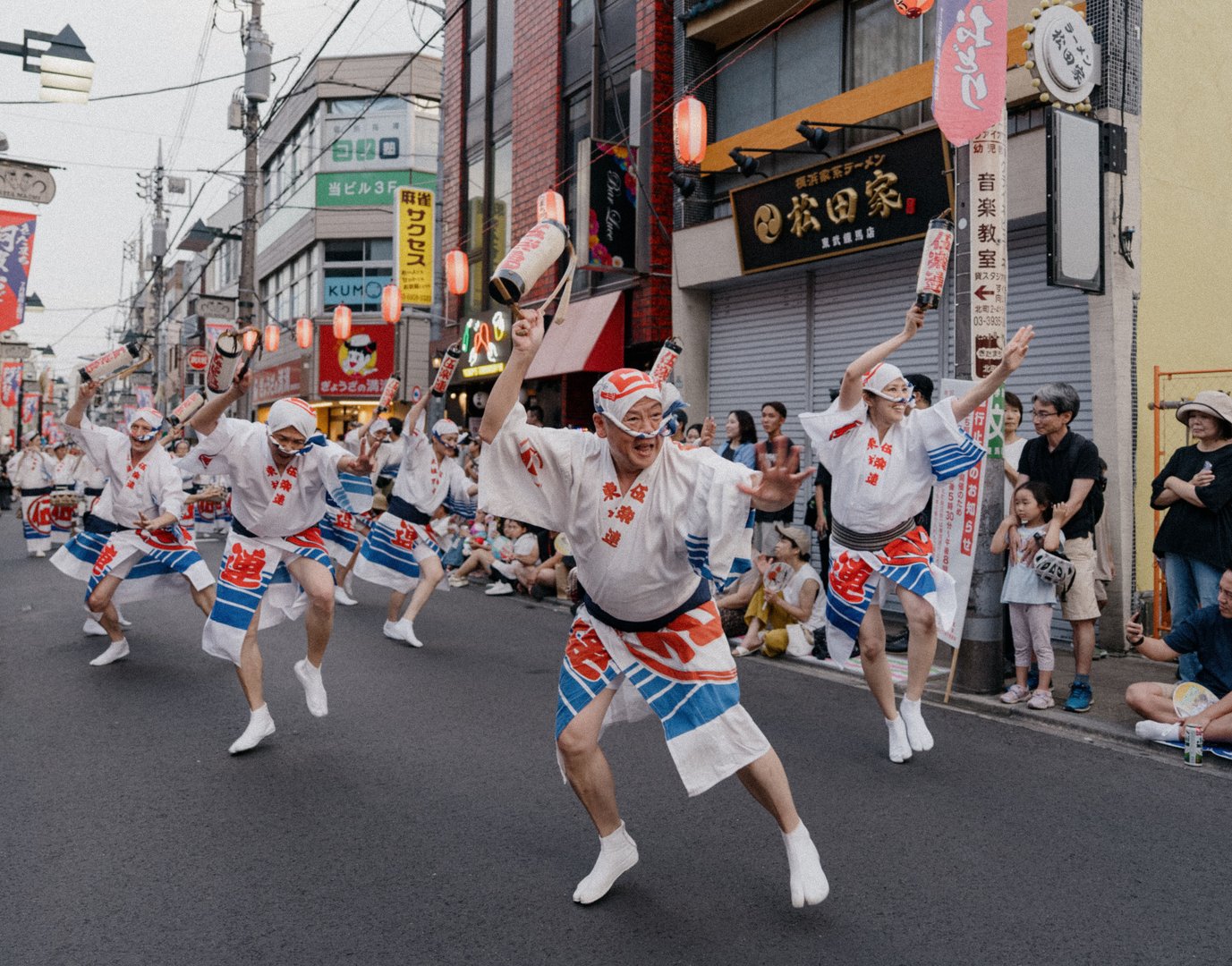
What I like most is that you get both culture and nature. Every August, Tokushima City hosts the Awa Odori Dance Festival, considered Japan’s most famous dance festival, thousands of dancers fill the streets. Yet nature is never far away. Rivers and the coast are close, and the famous whirlpools of Naruto and the mountains of the Iya Valley, with their vine bridges, are a drive away.
Tokushima also has plenty of akiya. Along with Wakayama, it has the highest vacancy rate in Japan at 21.2%, and about 12% of its homes are abandoned.
However, getting there takes more planning, since Shikoku has no Shinkansen line. The mountain areas also have steep roads and risk of landslides, while the coast faces the Nankai Trough which is overdue for a major temblor. So check the hazard map for any house you might be looking at.
Whichever you choose, buying an akiya is a big step. At AKIYA2.0, we can help with every stage of the process: from our Buy service, which guides you through the search and the paperwork, to the Renovate service, which handles repairs with local craftsmen, and on to the Manage service, where we look after your home when you’re away.